Most Difficult Languages – How Brands Maintain Multilingual Online Presence?
28/03/2024
Practical Tips
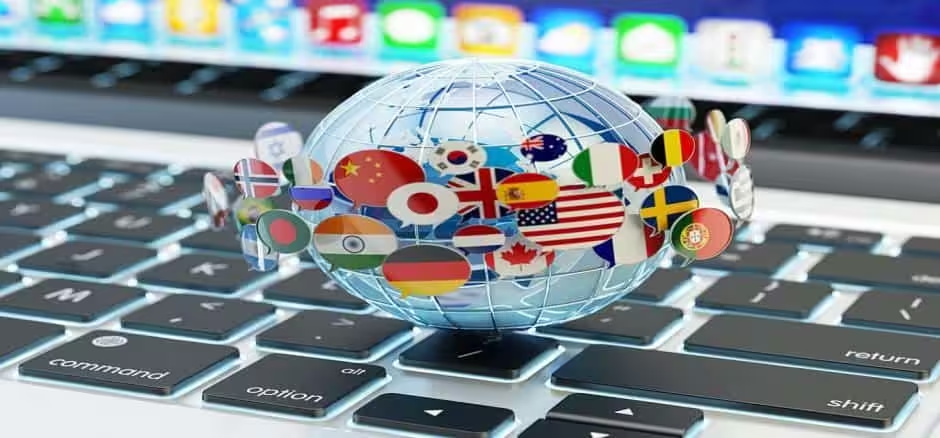
The most important feature for international brands to succeed is their multilingual approach towards branding and marketing. If you want to expand your target market and reach a much wider and diverse audience, then you need to break down language barriers. Multilingual branding and marketing should be a cornerstone technique for international brands. Even if you have the most difficult language to learn, it should not stop a brand from having a multilingual online presence.
Although people widely speak English as a second language in most parts of the world, the importance of having a multilingual presence still prevails. This is because multilingual marketing and branding have a much higher impact on people. Messages have a deeper influence when you share them in the people’s native language.
A multilingual online presence enables a much better connection from the people. Considering the internet’s widespread and far-reaching use, a multilingual online presence allows you to connect with the local people in the distant corners of the world. This connection is pivotal in the process of globalization.
Managing Multi-Lingual Accounts
The first part of maintaining a multilingual online presence is how well you manage your social media online accounts. Social media is the easiest and effective way to manage your social media account. Having multiple accounts that cater to people from different languages can help flourish an international brand in terms of marketability and online presence. However, it is important that different social media accounts efficiently reach the targeted audience in each local market. Therefore, it would be best to make sure that the English speaking audience does not end up on the native-language accounts.
You can do this by selecting the audience that you need to target. Social media accounts are now easier to manage and customize. Make sure that you tweak the settings of your multilingual accounts so that they reach the audience that only speaks that language. For maximum effectiveness, your goal should be product localization and not just literal translation. Your goal should be to engage your audience by making sure content is actually perceived as native and local.
Fast Social Media Translation
If you want to run a strong multilingual campaign on social media, then you need quick engagement from the audience. This means that you need to respond promptly to the multi-lingual target audience. To do this, you will need to have a customer service team that is quick to translate the queries and concerns of the target audience.
To Conclude
Having a social media presence means that you need to reach out to audiences of all languages. It does not matter whether it is the most difficult language to learn, as A professional technical translators is fluent in the difficult languages and can help your online presence flourish and have an impactful multilingual online presence.
Furthermore, a technical translator can give your brand a multi-lingual identity, which accurately and precisely represents the business in the best way possible. Many international brands maintain their multilingual status with the help of transcriptionist that is proficient in even the difficult language to learn.
Subtitles
Professional and Accurate Subtitle Services for your Videos.
Video subtitles specifically tailor-made for improving accessibility.
Using highly experienced subtitlers with years of industry experience.
Professionally written and expertly timed.
Translation
We help the world’s top companies translate their content in over 73 languages!
We localize content for internet websites, games, travel, cryptocurrencies, and more
Expand your global audience by adding different languages.
We work only with qualified translators and experienced content creators
Audio translation
Ensuring full accessibility for Blind and visual impaired audiences.
Visual descriptive events as they occur in the video.
Working with top audio describers to perfectly describe what is happening on-screen
Professional sound recording.
Great choice for businesses.
Fast to react, always meeting deadlines, good prices.
Marija Osina
Paysera LT
Related Posts
Practical Tips
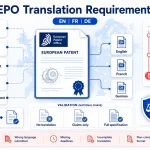
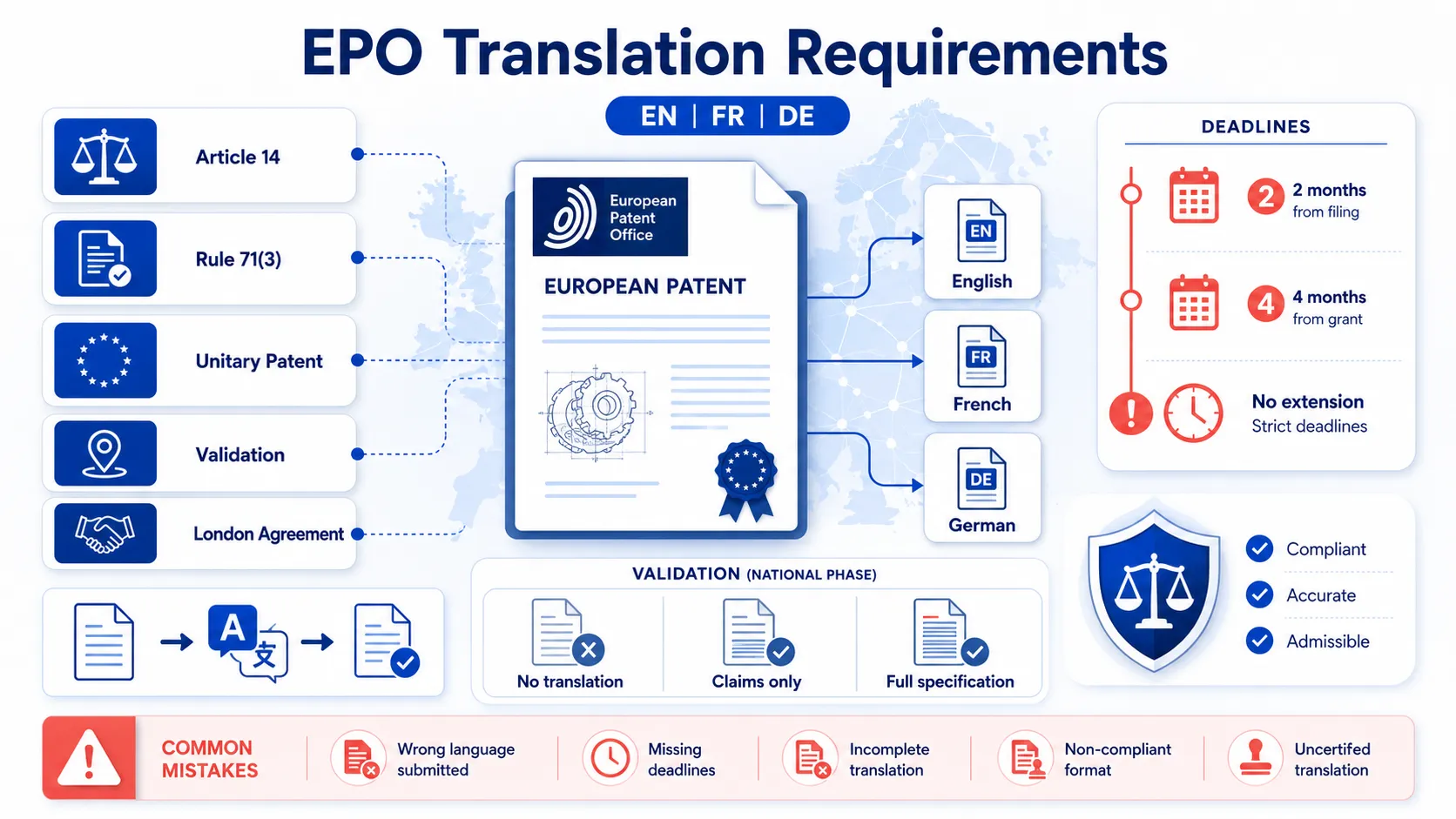
European Patent Office Translation Requirements: Languages, Submission Rules, and Common Mistakes
European patent office translation requirements are the language obligations that govern how applications are filed, prosecuted, and validated across the European Patent Convention’s member states. Get them right and your application moves efficiently toward grant. Get them wrong and the consequences range from missed deadlines that trigger deemed withdrawal to opposition proceedings that can invalidate […]
Practical Tips
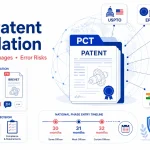
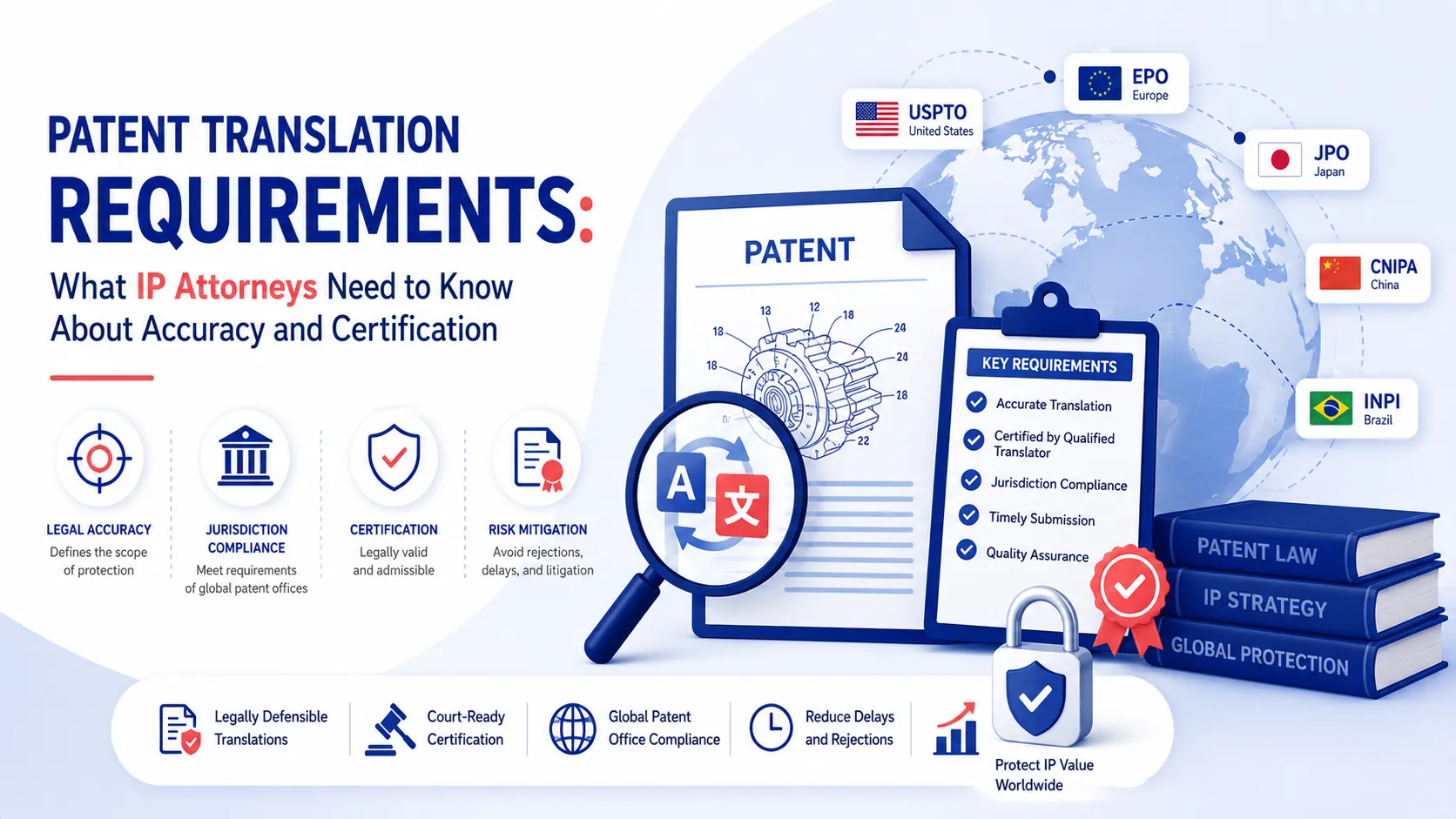
Patent Translation Requirements: What IP Attorneys Need to Know About Accuracy and Certification
Patent translation requirements are the jurisdiction-specific legal standards that govern how intellectual property documents are translated, certified, and submitted during international patent prosecution. In 2024, approximately 273,900 PCT international applications were filed globally, with the Asian region now accounting for 66.8 percent of all patent activity. For every application that crosses a border, the translation […]
Practical Tips
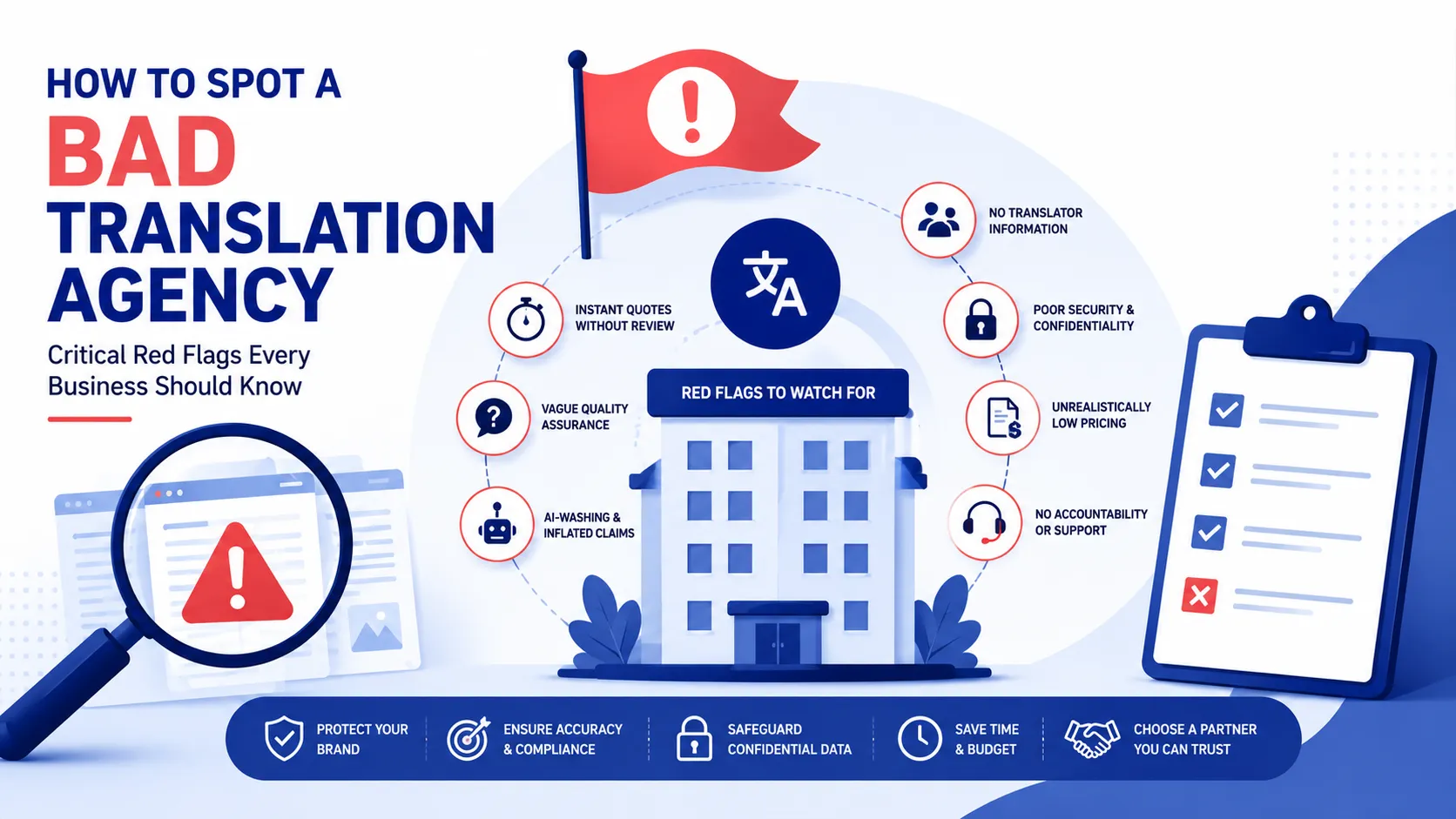
How to Spot a Bad Translation Agency: Critical Red Flags Every Business Should Know
Choosing a translation agency has never been a straightforward procurement task, but the landscape in 2026 is considerably harder to navigate than it was five years ago. The growth of AI-assisted translation tools has flooded the market with providers whose marketing materials far outpace their actual operational capability. Polished websites, ISO logo badges, and confident […]
Practical Tips
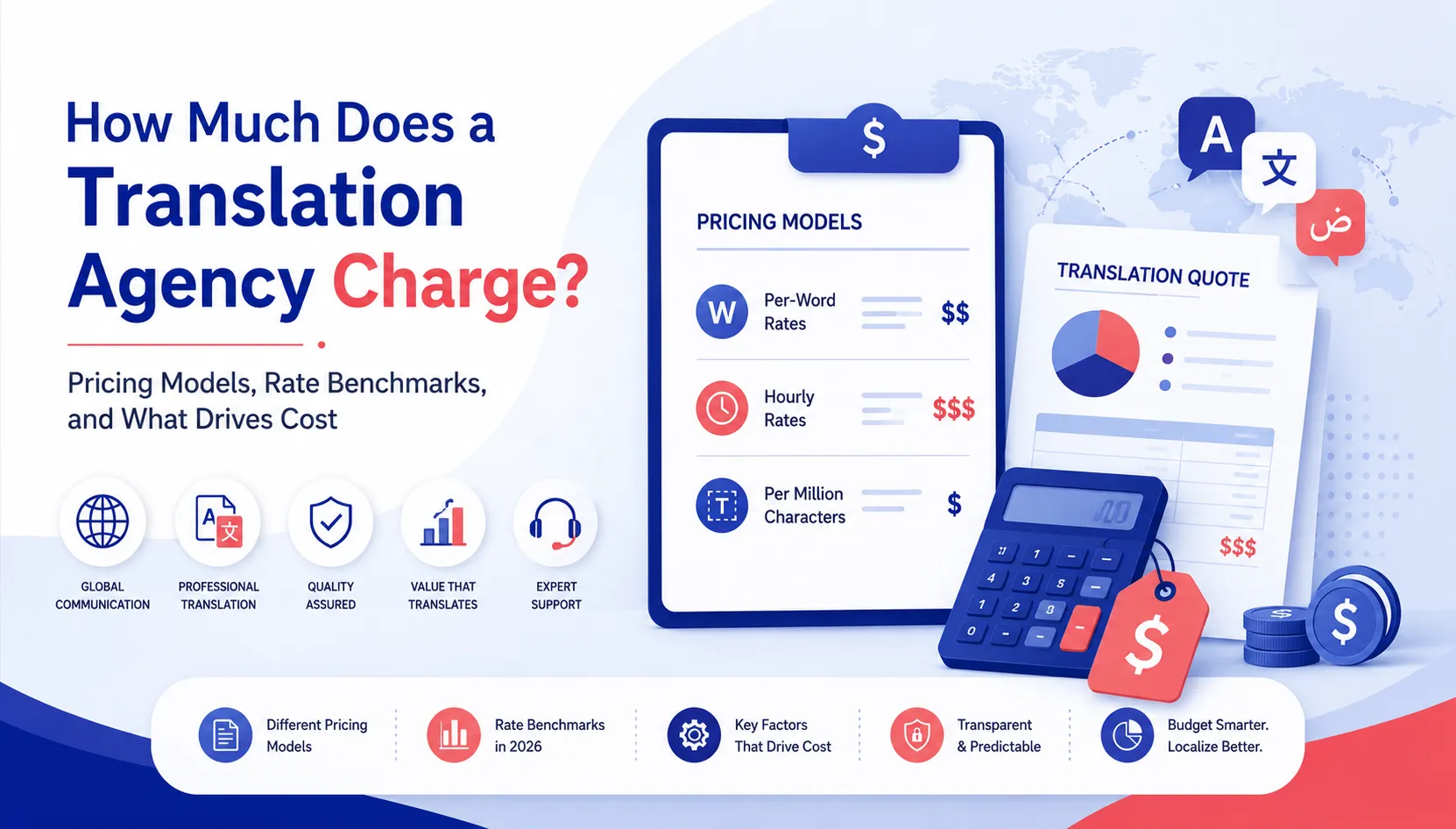
How Much Does a Translation Agency Charge? Pricing Models, Rate Benchmarks, and What Drives Cost
Translation agency cost is one of the most searched questions among procurement and finance teams building their first international content budget. The answer is rarely a single number, and the gap between the cheapest and most expensive quotes for the same project can be surprisingly wide. That variability is not arbitrary. Professional translation pricing reflects […]
Practical Tips
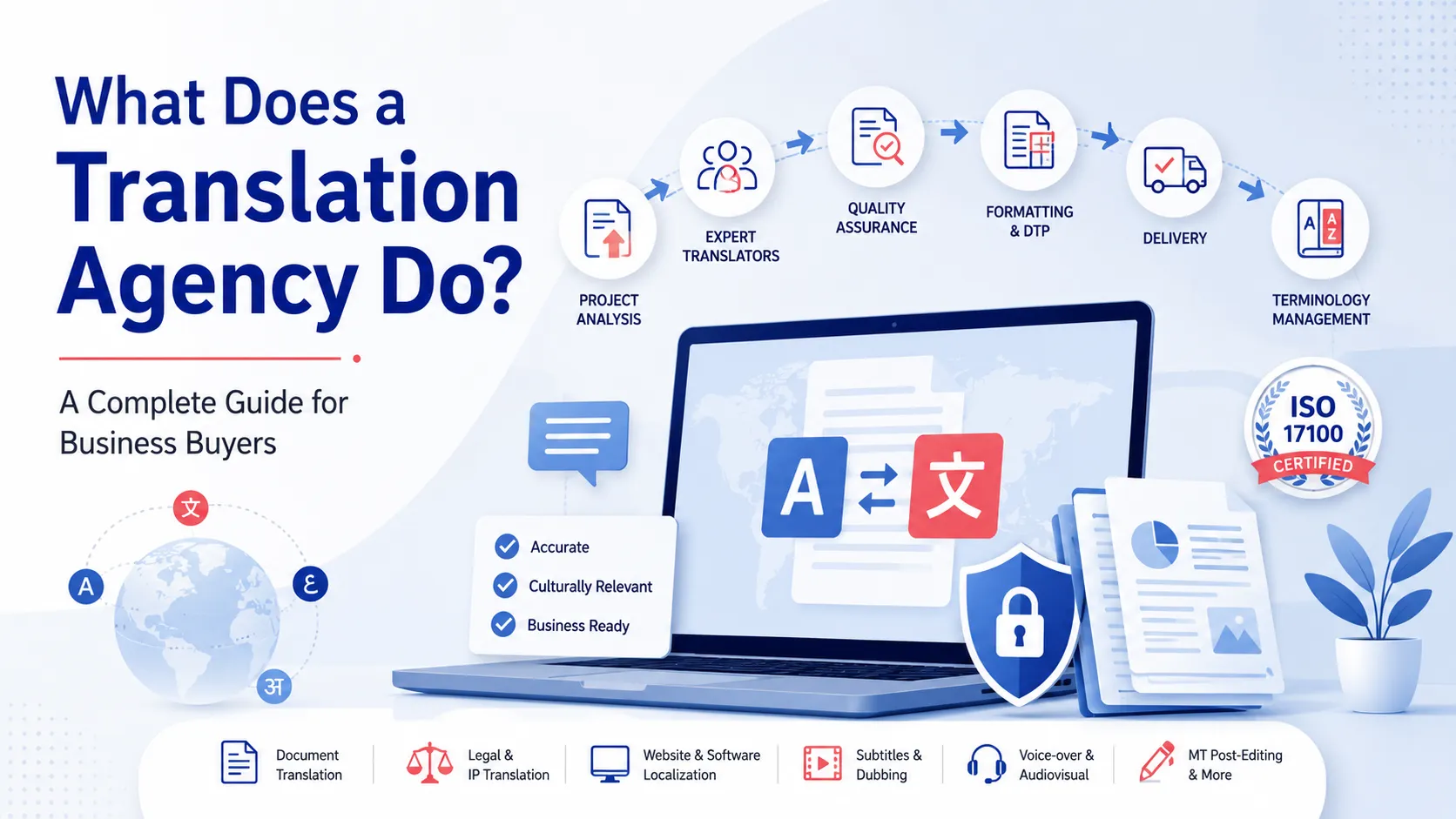
What Does a Translation Agency Do? A Complete Guide for Business Buyers
When most people think about what a translation agency does, they picture a straightforward word-for-word conversion from one language to another. The reality is considerably more structured and considerably more valuable than that simple description suggests. A professional translation agency manages the entire lifecycle of making your content work in another language. That includes upfront […]