Having a great website with interesting and relevant text content is well and good but these days, that is not enough to grow a business. If you want to entice the modern buyer, you absolutely need to go down the multimedia route and use videos, sound clips, and such to sell your product. And if you want to go even bigger, you need to implement an effective audio localization strategy in order to capture the global market.
What Is Audio Localization?
Audio localization simply means making the necessary adjustments to a multimedia tool to make it appropriate or relevant to a particular culture or language. Let’s say you have just launched an amazing new product. You make a promotional video of it with English audio, but you want to introduce the product to non-English speaking countries as well. What you should do is to use audio localization in creating a new version of the video for these other counties.
Localization involves a lot more than simply translating the text of the audio literally. You will also have to make it engaging and relevant to the new audience. In many cases, this means utilizing local references and making the most of cultural differences. Even the style of speaking, the figures of speech used, or even the accents and inflections need to be authentic so that your target audience can really appreciate your content.
Why Is Learning Audio Localization Important?
It’s no secret that English is a widely spoken language. But there are also millions of people around the world that do not speak English, or only speak it as a second language. France, Germany and Italy, for instance, are some of the most populous countries with excellent marketing potential. In order to capture the attention of this audience, you need to create specific content for them in their native language.
Marketing studies have repeatedly shown that consumers tend to engage more with localized content. If they can relate to your videos and audios, there is a much greater chance that they will buy your product or service.
How to Create a Successful Audio Localization Campaign?
If you have never taken on a localization project before, it can be confusing as to how to begin. Here are some very helpful tips that you can keep in mind while learning audio localization. By following these steps, you can definitely turn your campaign into a success.
- Learn the Region’s Culture
As we have mentioned, localization is so much deeper than just translating text. You need to really understand the culture, religion and general perspective of your target audience so that you can boost the effectiveness of your content. Make sure that there are no words or expressions that they could find offensive, or that might have double meanings.
At Circle Translations, our localization is done by professionals that have full knowledge of the target region, which is actually the best approach. Most of them are native residents and so we can guarantee a truly authentic and natural output.
- Create a High Quality Translation
Even though localization involves more than just translation, the translation part plays a very significant role. It needs to be accurate, clear and free of any grammatical and syntax errors. It must also retain the original intent of your content, even though the message might be conveyed in a different manner from the original.
It is very important to use a perfect translation right from the beginning. Correcting a mistake after it has already been seen and heard by millions of potential customers won’t make much difference. Thus, strict quality control must be implemented before you launch the campaign.
- Prepare a Reasonable Budget
As soon as you start learning audio localization, you will quickly realize that there are several steps involved in the process. High levels of skill and experience are required in order to produce a good result. An entire team of professionals is needed to get the job done well. You will need to find competent translators, localizers, copywriters, editors, audio engineers and so on, and this will add up to a considerable amount.
- Hire a Reputable Provider
You can choose to take on the audio localization task on your own, but it can get really expensive and time-consuming. Luckily, there are language service providers that can deliver very professional results for you, like what we can do here at Circle Translations. You will have to pay a fee for the service, of course, but looking at the big picture, hiring a professional can actually save you a lot of money. Besides, you are sure to get high quality results because the task will be done by true linguistic experts that have years of experience in localization and translation.
What Actually Happens During Professional Audio Localization?
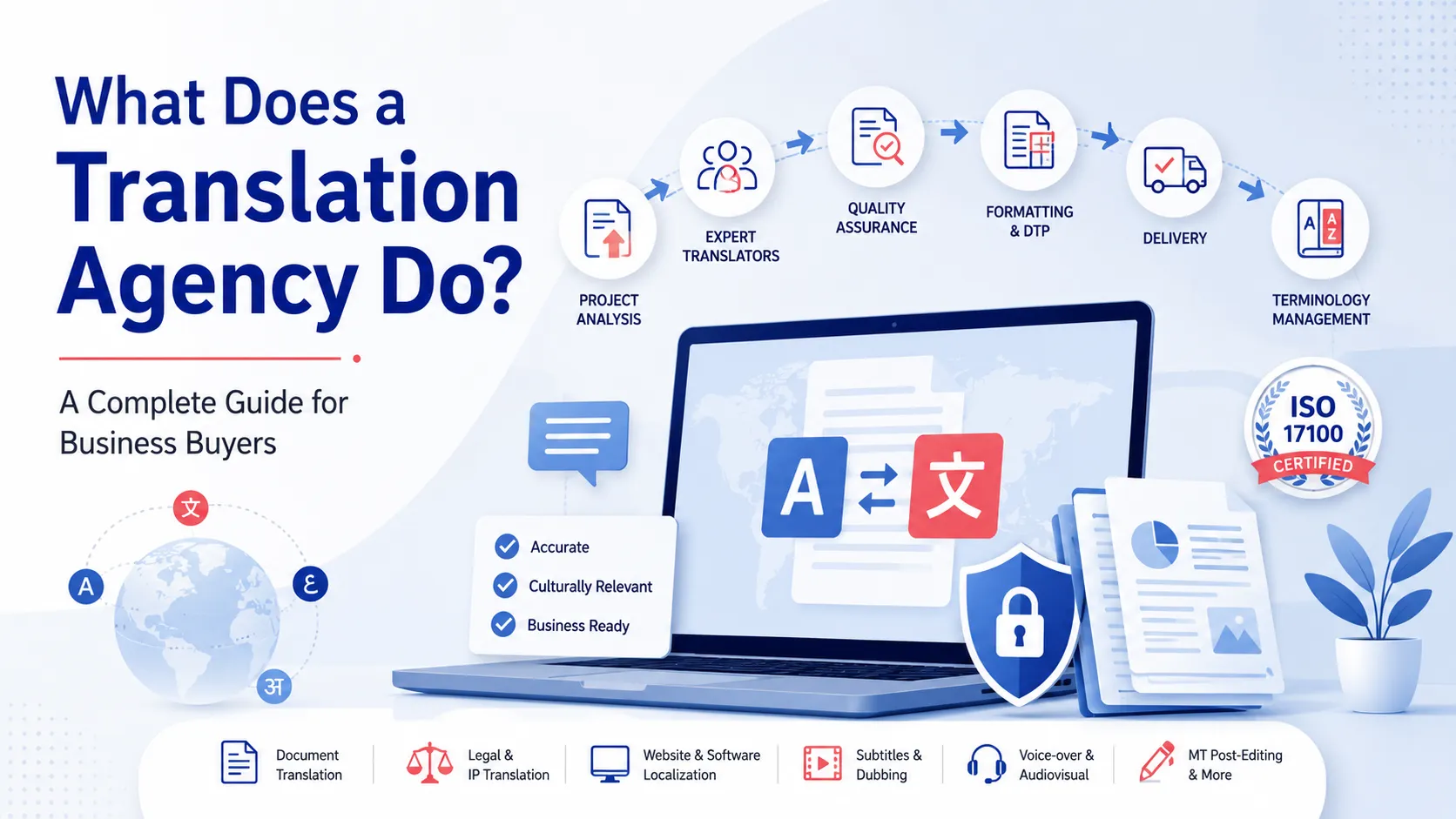
Each provider might have their own specific workflow but in summary, the process will start with the translating of the original audio into the target language. This will go through thorough editing, proofreading and checking to make sure that it fits perfectly with the culture and perspectives of the new audience.
While the script is being completed, the audio team will locate a suitable voice artist to do the recording. Then the recording will commence, after which the audio engineer will take charge of adding effects, removing noise, and so on. The localized audio will then be submitted to the client in the file format that was previously agreed upon.
It sounds very simple but the process can actually be complicated especially if you have just started learning audio localization. If you need assistance, we are here to help. Call us at Circle Translations and we will guide you in creating the most effective audio localization campaign for your brand.
Subtitles

Professional and Accurate Subtitle Services for your Videos.
- Video subtitles specifically tailor-made for improving accessibility.
- Using highly experienced subtitlers with years of industry experience.
- Professionally written and expertly timed.
Translation

We help the world’s top companies translate their content in over 73 languages!
- We localize content for internet websites, games, travel, cryptocurrencies, and more
- Expand your global audience by adding different languages.
- We work only with qualified translators and experienced content creators
Audio translation

Ensuring full accessibility for Blind and visual impaired audiences.
- Visual descriptive events as they occur in the video.
- Working with top audio describers to perfectly describe what is happening on-screen
- Professional sound recording.