
You’ve just received a critical contract in your country for your organization. Your client needs feedback by tomorrow, but your usual translator is not available, or your usual translations don’t work for this critical legal contract. Does this sound familiar?
It’s not always easy to find a legal contract translator, as this takes a lot of effort and time. Also, this type of translation is a bit critical. When any organizations expand across borders, contracts become operational assets that must work consistently across languages, jurisdictions, and legal systems. Legal contract translation services enable global teams to operate with clarity, enforceability, and compliance, without introducing legal ambiguity or operational risk.
For multinational companies, contracts are no longer static documents. They support hiring, vendor relationships, software licensing, partnerships, and corporate governance across regions. Translating them correctly is not just a linguistic task. It is a legal, procedural, and risk-management requirement.
Circle translations can make this legal contract translation task very easy for you. Let’s dig into the article and see why legal contract translation services for global teams are important.
What is Legal Contract Translation
Legal contract translation is the process of translating agreements from one language to another while protecting legal intent, enforceability, and jurisdictional validity. This is not like any normal translation work. Legal contract translation requires accuracy around obligations, liabilities, remedies, timelines, and governing law.
Why Does It Matter for Global Teams?
The multinational company always needs to maintain different different lawas and policies for different countries. Not every countries company policies are similar with easch others. That’s why any organization who run global team has to follow various legal contract and all legal contracts have to be translate in local language.
For global teams, the stakes are high. A mistranslated clause not only hampers the company’s reputation but also can:
- Shift financial liability
- Alter termination rights
- Create ambiguity in dispute resolution
- Render contracts unenforceable in local courts
As companies operate across regions, translated contracts often become legally binding versions rather than just reference documents. That makes accuracy and compliance critical.
List of Contracts Need Professional Translation
As a global team manager or owner, you need to know which documents or contracts require professional translations. Otherwise, you will not be able to run your global team swiftly due to legal constraints. Not all documents require the same level of legal scrutiny. Contracts that typically demand specialist legal translation include:
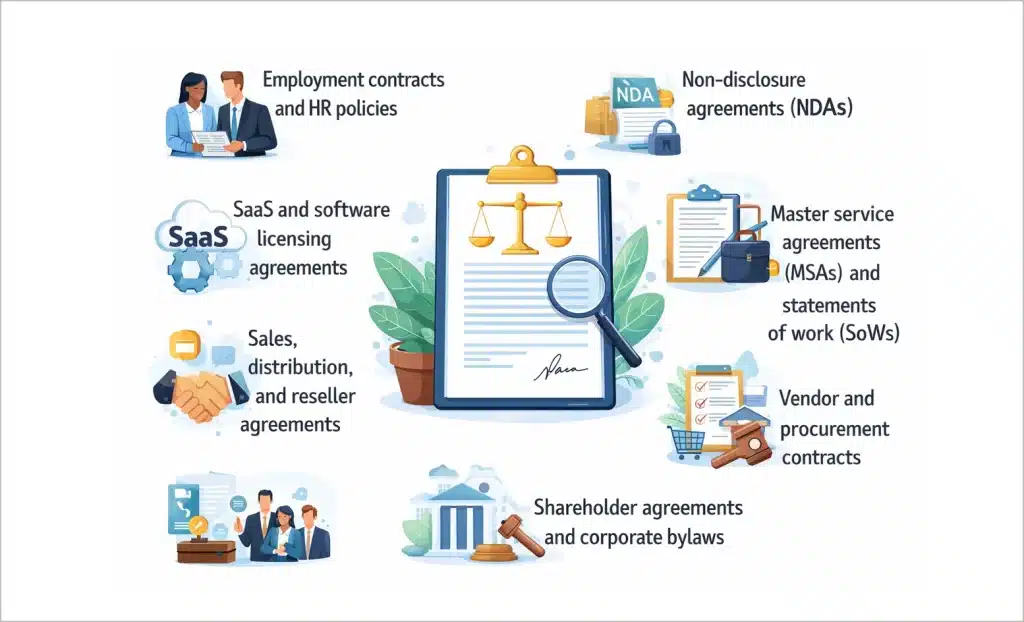
- Employment contracts and HR policies
- SaaS and software licensing agreements
- Sales, distribution, and reseller agreements
- Non-disclosure agreements (NDAs)
- Master service agreements (MSAs) and statements of work (SoWs)
- Vendor and procurement contracts
- Shareholder agreements and corporate bylaws
Each of these contracts includes jurisdiction-sensitive language that must be interpreted correctly within the target legal system. When this is overlooked, organizations expose themselves to financial risk, legal disputes, and internal misalignment.
For example, if your global team operates in Spain but your corporate bylaws remain available only in your local language, Spanish employees may struggle to understand their rights, responsibilities, and internal policies. This lack of clarity often leads to confusion, inconsistent interpretation, and unnecessary friction within the organization. Over time, such gaps can erode trust, undermine compliance, and degrade the overall working environment.
So the above list of legal contracts needs to be translated by a professional. In circle translations, we always do legal contract translations with extra care. We always value our clients’ time and professionalism, and we appreciate the professionalism of their global team.
Risks of Mistranslated Legal Contracts for Global Team
Any mistranslation of a legal contract introduces both legal and operational risks for global teams. Small language errors can alter the meaning of a contract and lead to serious consequences. Below are the most common risk areas.
Translating Obligations as Optional Language
Legal terms that define duties must remain mandatory. If “shall” or “must” is translated as a suggestion, contractual obligations may become unclear or unenforceable.
Misstating Liability Caps or Indemnification Scope
Errors in liability or indemnity clauses can shift financial responsibility between parties. This exposes companies to unexpected costs, claims, or legal disputes.
Incorrect Notice Periods or Termination Triggers
Notice periods and termination rights are time-sensitive. A mistranslation can shorten or extend deadlines, leading to contract breaches or invalid terminations.
Ambiguous Governing Law or Venue Clauses
Governing law and jurisdiction clauses define where and how disputes are resolved. Any ambiguity can lead to jurisdictional conflicts and higher litigation costs.
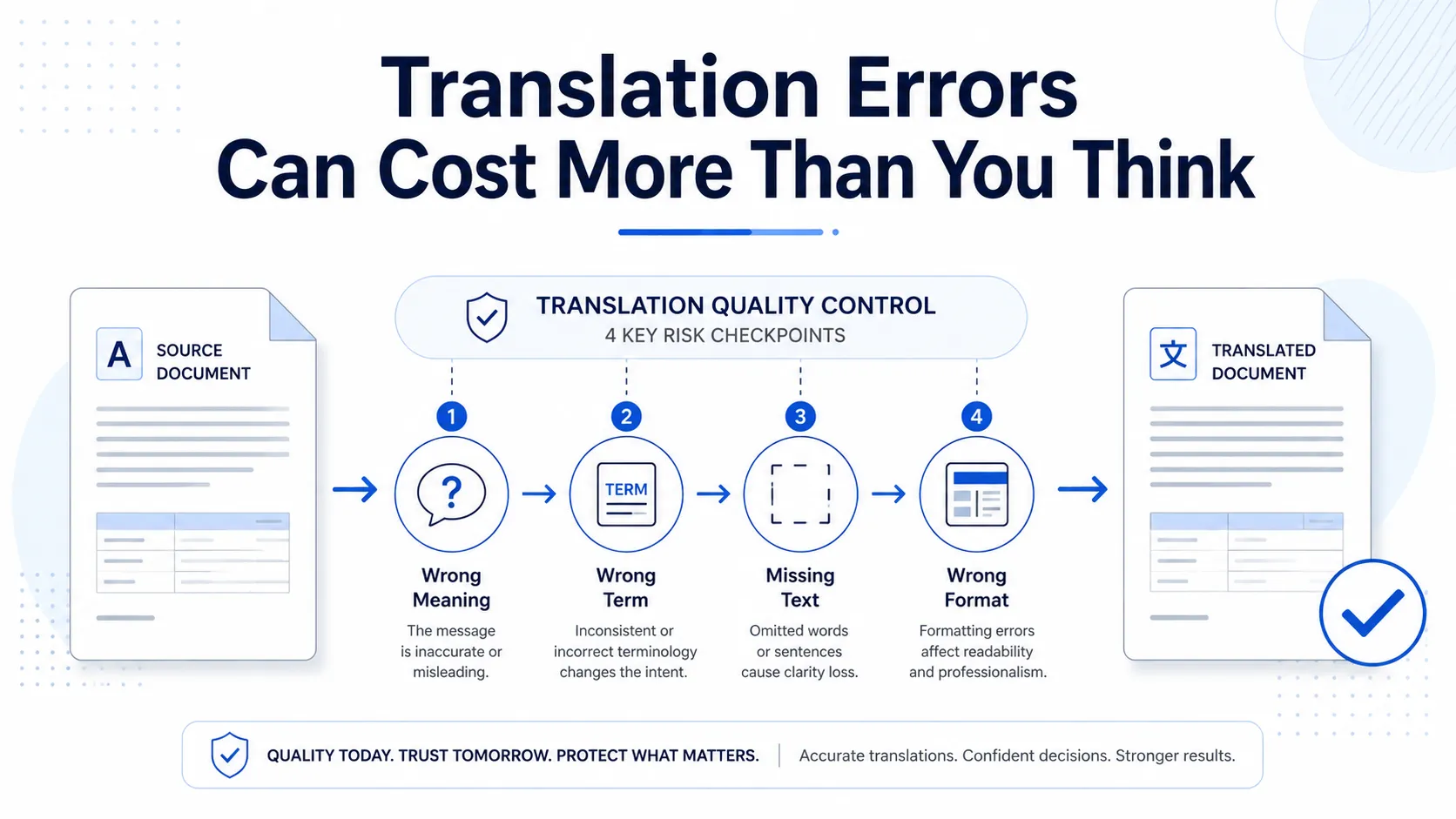
Inconsistent Terminology Across Related Agreements
Using different terms for the same legal concept across contracts creates confusion. Inconsistent terminology weakens enforceability and complicates legal interpretation.
These problems often remain unnoticed until a dispute, audit, or enforcement action occurs. At that stage, fixing errors is expensive, time-consuming, and legally complex.
How Do Legal Contract Translation Services Work for Global Teams?
For any global company, legal translation is a must. So every company should hire professional legal contract translation services that follow structured workflows designed to reduce risk, enforce consistency, and support compliance across jurisdictions.
Who Works on a Legal Contract Translation Project?
No legal contract translation is handled by a single person. It needs a structured team to protect accuracy, consistency, and legal validity across languages.
Legal translators with subject-matter expertise
These translators specialize in legal language and understand how contracts function across different legal systems. They focus on preserving legal intent, obligations, and enforceability.
Revisers or second linguists for accuracy checks
A second legal linguist reviews the translation to identify errors, inconsistencies, or meaning shifts. This step helps catch issues before the document is finalized.
Terminology managers to control legal vocabulary
Terminology managers ensure that legal terms are translated consistently across contracts. This prevents variation in critical clauses and supports long-term document alignment.
Project managers coordinating timelines and versions
Project managers oversee deadlines, versions, and communication between teams. They ensure the correct files are translated, reviewed, and delivered on time.
Legal reviewers (where required by jurisdiction or risk level)
For high-risk or regulated contracts, legal professionals review the translation to confirm compliance with local laws and standard legal practices.
This multi-layered team structure ensures contracts remain linguistically accurate, legally reliable, and aligned across all language versions.
What Does The Contract Translation Workflow Look Like
Every task has its standard workflow. When the work is critical, such as legal contract translation, the workflow is followed more strictly. At Circle Translations, we always use a defined workflow for legal contract translations to ensure accuracy and on-time delivery.
Below are the key steps in our standard contract translation workflow for global teams.
- Source analysis and jurisdiction review
- Terminology extraction and glossary alignment
- Initial legal translation by a specialist linguist
- Independent revision and consistency checks
- Legal or compliance review (if required)
- Formatting, alignment, and final QA
Each stage is designed to catch errors before delivery.
How Do Global Teams Keep Multiple Contract Versions Aligned?
Global teams need to keep various contracts. To keep multiple contract versions aligned, they use structured controls that track language, content, and changes across all versions. If alignment is not managed centrally, language versions drift over time, creating legal ambiguity.
In practice, alignment is maintained through the following methods:
- Centralized terminology databases
Approved legal terms are stored in a single location and reused across all contracts. This ensures that the same legal concept is expressed consistently across all languages. - Translation memory for repeated clauses
Standard clauses are reused instead of retranslated. This reduces variation across employment contracts, vendor agreements, and templates used in multiple regions. - Version control and change logs
Every update is tracked with clear records of what changed, when, and in which language. This prevents outdated versions from being signed or enforced. - Consistent clause numbering and structure
All language versions follow the same clause order and numbering. This makes cross-referencing easier for legal teams and avoids disputes over mismatched sections. - Controlled update workflows across languages
Changes are applied to the source contract first, then rolled out systematically to all language versions. This keeps every version legally equivalent over time.
Together, these controls prevent divergence between contract versions and help global teams maintain legal consistency across jurisdictions.
When Do Global Organizations Need Certified, Notarized, or Sworn Contract Translations?
To manage a global team and protect from legal issues, you need to understand the difference between certified, notarized, and sworn contract translations. Then you can determine when to use each one or which contract requires which type of translator. Actually, requirements depend on jurisdiction and use case:
- Certified translations are often required for corporate or administrative use
- Sworn translations are mandated by courts or government authorities in some countries
- Notarized translations verify the translator’s identity, not the content itself
Understanding these distinctions prevents rejection or delays.
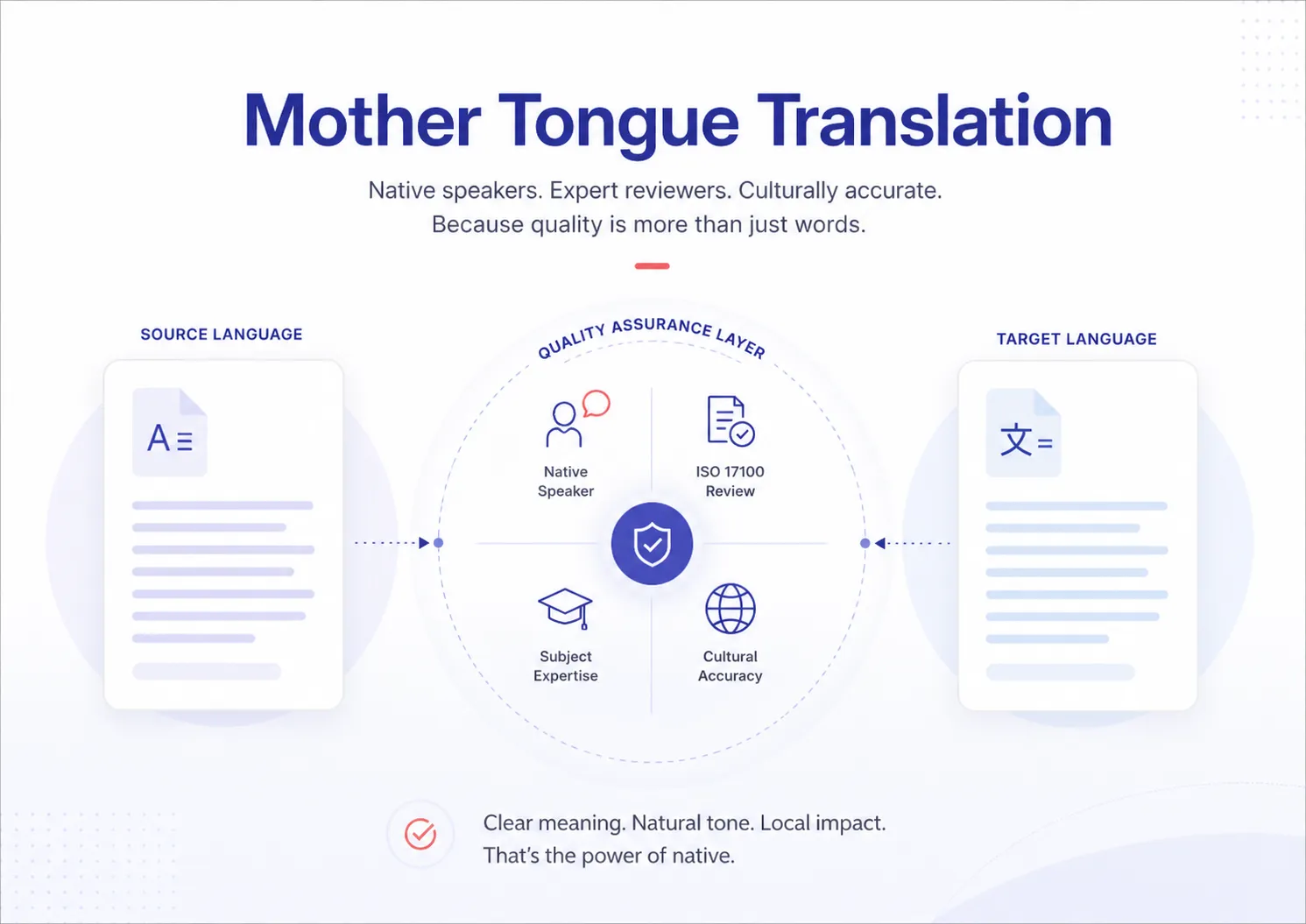
Quality Checked Steps in Legal Contract Translations
Quality assurance includes the following points:
- Linguistic review by a second legal translator
- Terminology and consistency validation
- Structural and formatting checks
- Final QA against the source document
Higher-risk contracts may also be subject to legal review in the target jurisdiction.
Use Casesof Legal Contract Translation Services
Earlier, we’ve already given you the list of contracts that need translation. Legal contract translation supports multiple operational functions across global organizations.
Global hiring and remote teams (employment contracts & HR policies)
Translated employment contracts ensure compliance with local labor laws, clarify employee rights, and support cross-border hiring without legal ambiguity.
Cross-border sales, SaaS, and vendor agreements
Sales and licensing agreements require clear obligations, payment terms, and liability clauses to protect revenue and reduce dispute risk in international markets.
M&A, joint ventures, and corporate governance documents
Corporate transactions involve high financial exposure. Accurate translation of shareholder agreements, board resolutions, and governance documents is essential for regulatory acceptance and enforceability.
5 Tips to Get Better Outcomes From Legal Contract Translation Services
Are you confused about choosing a translation company for your global team? No worry! Try to follow these 5 tips. It will always serve you better results and make your translation work easier.
1. Prepare a clear translation brief
Always share the governing law, jurisdiction, contract purpose, and risk level upfront. A clear brief helps the legal contract translation agency assign the right experts and avoid revisions, saving time and cost.
2. Specify certification and usage requirements early
Let the legal contract translation company know whether you need certified, notarized, or sworn translations. Requirements vary by country and use case, and early clarity prevents delays or rejected documents.
3. Use global templates with local legal review
Maintain a global master contract template, but allow local legal counsel to review localized clauses. This approach maintains consistency in the structure while ensuring compliance with regional laws.
4. Apply updates across all languages at the same time
When contracts change, updates should be applied simultaneously across all language versions. This avoids mismatched obligations and reduces legal risk for global teams.
5. Track versions and re-sign where required
Use version control, change logs, and formal re-signing when legally necessary. This ensures all contract versions remain aligned, enforceable, and compliant over time.
Managing a company is always very stressful, and if it’s a global company, it’s even more difficult to ensure all documents comply with the laws of different countries. We, the Circle Translations team, understand this very well. So, if you want to make your document translation journey smoother, contact us to get a quote for your global team.
Frequently Asked Questions
What is legal contract translation?
It is the translation of agreements while preserving legal intent, enforceability, and jurisdictional validity across languages. Every global company needs to translate its documents in accordance with the laws of each country.
Why can’t we use machine translation for contracts with employees or vendors?
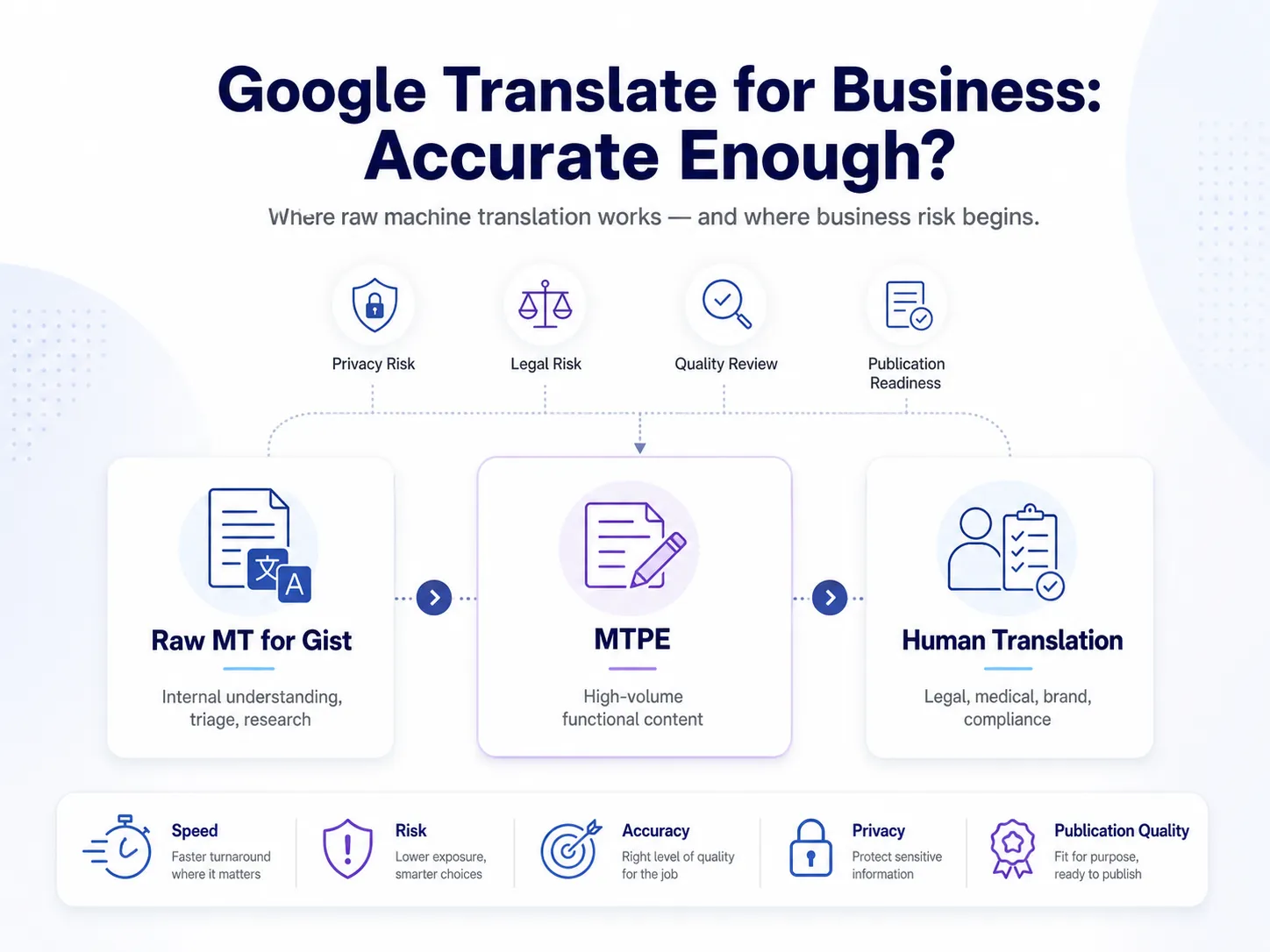
Machine translation cannot reliably interpret legal nuance or jurisdiction-specific obligations, creating unacceptable legal risk. There is always a high risk of inaccurate data from machine translation, which is a significant concern for any global company.
Do contracts need certified or sworn translation to be valid?
Sometimes. It depends on the types of documents you want to translate for your team or organization. Requirements depend on the jurisdiction, contract type, and intended use. The country courts and authorities often specify this.
Which contracts should global teams translate first?
There are plenty of documents that need translation. Among all of those, employment agreements, customer-facing contracts, and high-value vendor agreements should be prioritized.
How do you keep multiple language versions of a contract aligned?
Through terminology governance, version control, translation memory, and structured update workflows.
How long does it take to translate a typical contract?
A standard 10–15-page contract usually takes 3–5 business days. But again, it depends on complexity and certification requirements.
What should I send to get a quote for legal contract translation services?
Send the final document, target languages, intended use, certification requirements, deadline, and governing jurisdiction.