Translation agency cost is one of the most searched questions among procurement and finance teams building their first international content budget. The answer is rarely a single number, and the gap between the cheapest and most expensive quotes for the same project can be surprisingly wide.
That variability is not arbitrary. Professional translation pricing reflects a combination of language pair, content complexity, quality tier, file format, and whether the workflow involves human translators, machine translation post-editing, or a combination of both. Understanding these variables before you request a quote puts your team in a much stronger position to evaluate proposals accurately, avoid unexpected line items, and choose the right service tier for each project type.
Businesses operating internationally typically allocate between one and four percent of their marketing budgets to translation and localization services. For procurement teams building a vendor shortlist or finance teams creating a content budget, knowing what drives cost is as important as knowing the rate itself.
This guide covers how professional translation is priced in 2026, what benchmark rates look like across different content types and quality tiers, and which factors move the needle most significantly on your final quote.
The Three Primary Pricing Models
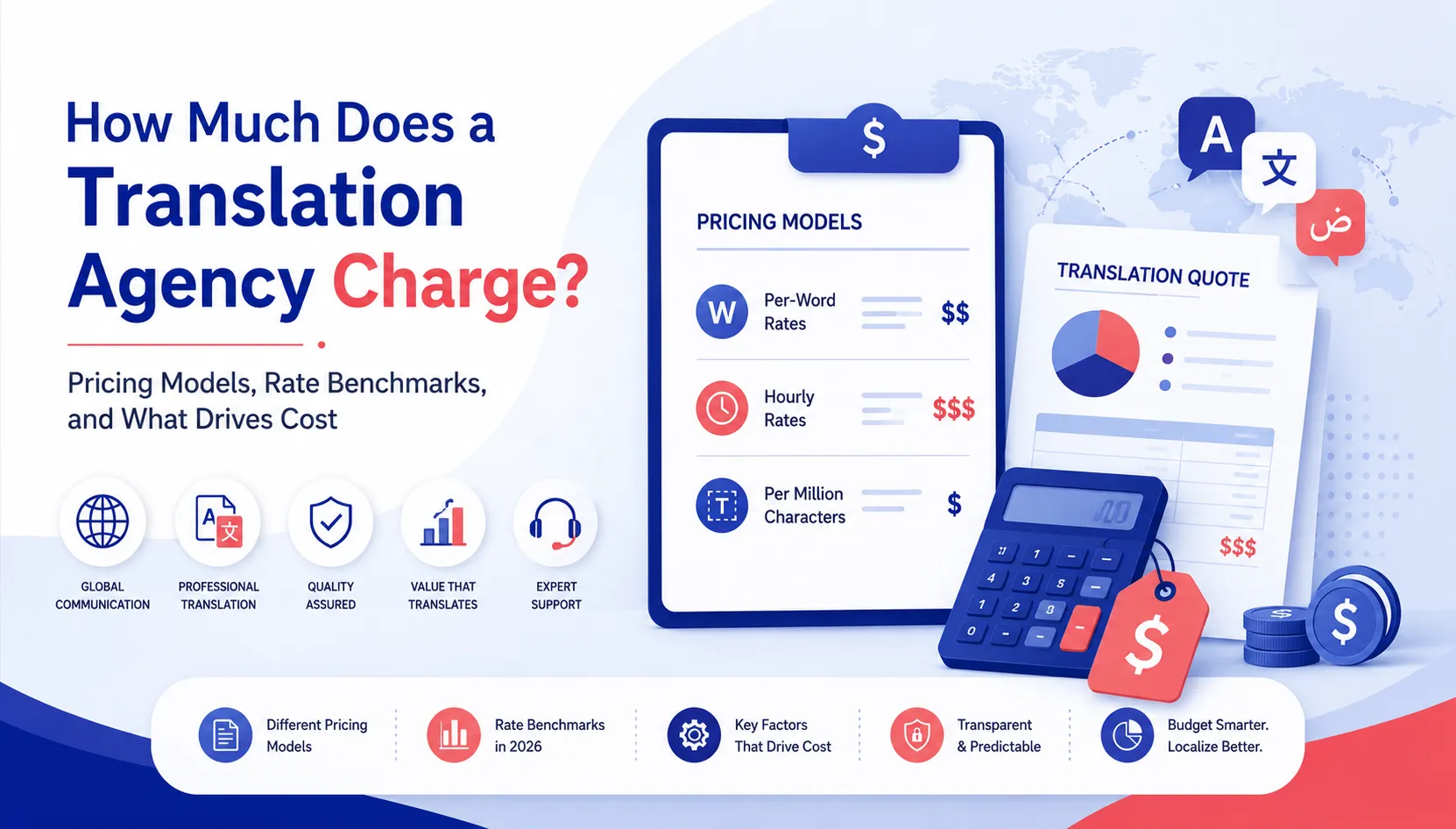
Professional translation agencies use three distinct pricing structures depending on the project type. Understanding which model applies to your content is the first step in building an accurate budget.
Per-Word Rates
The per-word model is the industry standard for document translation because it is transparent, predictable, and directly tied to the volume of work involved. Both the client and the agency know exactly what drives the total cost, and it scales consistently as project size increases.
Per-word rates vary based on quality tier, language pair, and content type. At the more competitive end of the professional market, rates for standard content with machine-aided translation start as low as €0.05 per word. For manual professional translation covering intricate technical texts, rates typically range from €0.08 to €0.13 per word. Expert native translation for scientific, legal, and highly technical content sits between €0.10 and €0.16 per word, reflecting the additional qualification and subject-matter depth those projects require.
Circle Translations publishes a transparent tiered structure that maps these rate ranges to specific quality and delivery specifications, which means clients are not guessing what a given price point actually delivers.
Hourly Rates
Hourly billing applies to services where word count does not accurately represent the effort involved. Transcreation, which adapts creative concepts and marketing messaging for cultural relevance rather than just converting text, is the most common example. Desktop Publishing (DTP), terminology management, and engineering work on complex file formats are also typically billed hourly. General rates run from approximately 30 to 75 dollars per hour, while specialist expertise in legal or healthcare contexts commands higher premiums due to the qualifications and liability involved.
Per Million Characters
This model is used almost exclusively by machine translation providers such as Google Cloud Translation, DeepL API, and Microsoft Translator. Pricing typically starts around 10 to 20 dollars per million characters. This model is relevant for organisations integrating raw MT into their own workflows, though it does not reflect the cost of the human post-editing that almost all publication-quality outputs require on top of the raw machine translation fee.
What Rate Benchmarks Look Like in Practice
Per-word rates across the professional translation industry reflect both geographic cost structures and content complexity. Translators based in North America and Western Europe generally charge more than those in Eastern Europe or Asia, partly because of living costs and partly because of the concentration of highly specialised linguists in certain markets.
For standard business content, professional rates range from around 0.08 to 0.20 dollars per word in most major markets. Specialist content in legal, medical, and technical fields attracts a premium of 30 to 100 percent over the base rate, reflecting the domain expertise required.
Within this landscape, Circle Translations positions itself at the competitive end of the professional agency market without compromising the multi-stage quality workflow that business content requires. Starting rates of €0.05 per word for machine-aided translation through to €0.16 per word for expert native translation of scientific and technical content represent a publicly stated pricing structure that finance and procurement teams can factor into budgets with confidence. Every tier, including the entry-level plan, includes a dedicated project manager, professional proofreading, native editing, daily updates, and 24/7 support.
For a complete breakdown of what each tier covers and what is included as standard, the translation and localization pricing page provides the full rate schedule with no hidden qualifications.
Seven Factors That Drive Your Translation Quote
Two projects of the same word count can produce very different quotes. These are the seven variables that most significantly influence what you will pay.
1. Language Pair
Pricing follows supply and demand. English to Spanish or French is among the most affordable combinations because the qualified linguist pool is large. Rare or low-resource language pairs, including Norwegian, Icelandic, Finnish, or languages in the Pashto, Swahili, and Bengali families, cost considerably more because the available specialist translators are fewer. Some agencies quote two to three times the base rate for rare combinations.
2. Subject-Matter Complexity
General business content is priced at the base rate. Legal, medical, financial, and scientific content requires translators with verified domain expertise, which commands a premium of 30 to 100 percent over standard rates. A technically complex patent application in Japanese requires a very different linguist profile from a corporate newsletter in French, and the pricing reflects that difference appropriately.
3. Content Volume and Repetition
Larger projects often qualify for reduced per-word rates. More importantly, content that contains repeated or similar segments benefits from Translation Memory (TM) leverage, which reduces billable word counts by applying previously approved translations to matching content. For organisations with ongoing translation needs, this technology-driven efficiency compounds over time.
4. File Format
Standard editable formats like Word documents, PowerPoint files, and Excel spreadsheets are straightforward to process within professional CAT (Computer-Assisted Translation) tools. PDFs, scanned documents, InDesign files, and other non-editable formats require engineering work to extract and prepare the text, which adds to the total cost. DTP work to reformat translated content so it fits correctly in the original layout is also an additional service for formatted documents.
5. Quality Tier and Review Requirements
Standard translation for internal or draft purposes requires fewer review stages than publication-ready, legally binding, or brand-facing content. A content piece destined for a regulated market submission, a client-facing legal contract, or a public-facing product campaign needs the full TEP (Translation, Editing, and Proofreading) workflow with independent review at each stage, and that is priced accordingly.
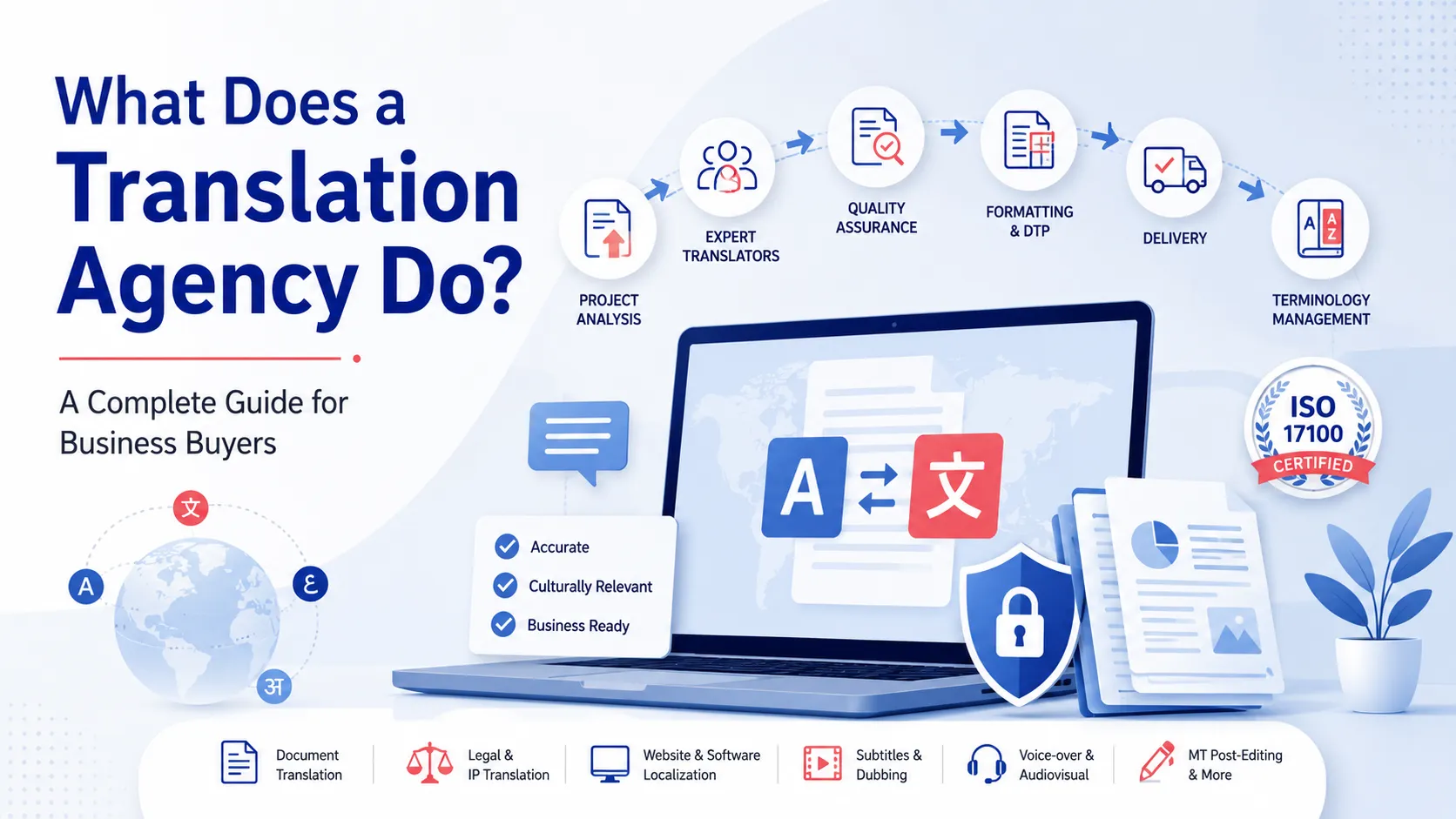
ISO 17100:2015 certification sets the professional standard for this multi-stage workflow, requiring that every translation be independently reviewed by a second qualified linguist. Agencies that maintain this standard have externally audited processes, which justifies and explains the difference between a certified professional workflow and a single-pass review.
6. Urgency and Rush Requirements
Standard professional translation produces around 2,000 to 2,500 words per day per linguist. Projects that require weekend work, overnight delivery, or compressed timelines typically attract rush surcharges of 25 to 100 percent at most agencies. This is one of the more significant hidden cost drivers for teams that do not plan timelines carefully.
Circle Translations operates without rush fees as a standard commercial policy. For procurement teams managing unpredictable or urgent workflows, this structural difference has a meaningful effect on total annual translation spend and budget predictability that a per-word rate comparison alone does not capture.
7. Official Certification Requirements
Documents for legal proceedings, immigration applications, regulatory submissions, or official government use may require certified or sworn translation. These carry additional fees for the formal accuracy statement and, in some jurisdictions, for the translator’s sworn oath before a public official. These costs vary by country and document type, and should be factored into any budget for legally required translation work.
Specialist Content: Medical and Legal Translation Costs
Two sectors consistently sit at the higher end of professional translation rates, and understanding why helps buyers make the right decision about which quality tier to use for which content type.
Medical Translation
Medical translation is significantly more expensive than general business content because it frequently requires linguists who hold medical degrees or carry specialist clinical training. Accuracy is not a quality preference in this context. It is a patient safety and regulatory compliance requirement.
In 2026, medical translation rates generally range from approximately 0.12 to 0.20 dollars per word, with technical clinical or pharmaceutical content at the higher end. Around 32 percent of medical translation projects require a secondary review by subject-matter medical experts in addition to the standard linguistic review. Choosing lower-cost options for medical content is a well-documented false economy: inaccurate translations of patient information, clinical trial documentation, or pharmaceutical labelling carry regulatory and liability consequences that far exceed any initial savings.
Legal Translation
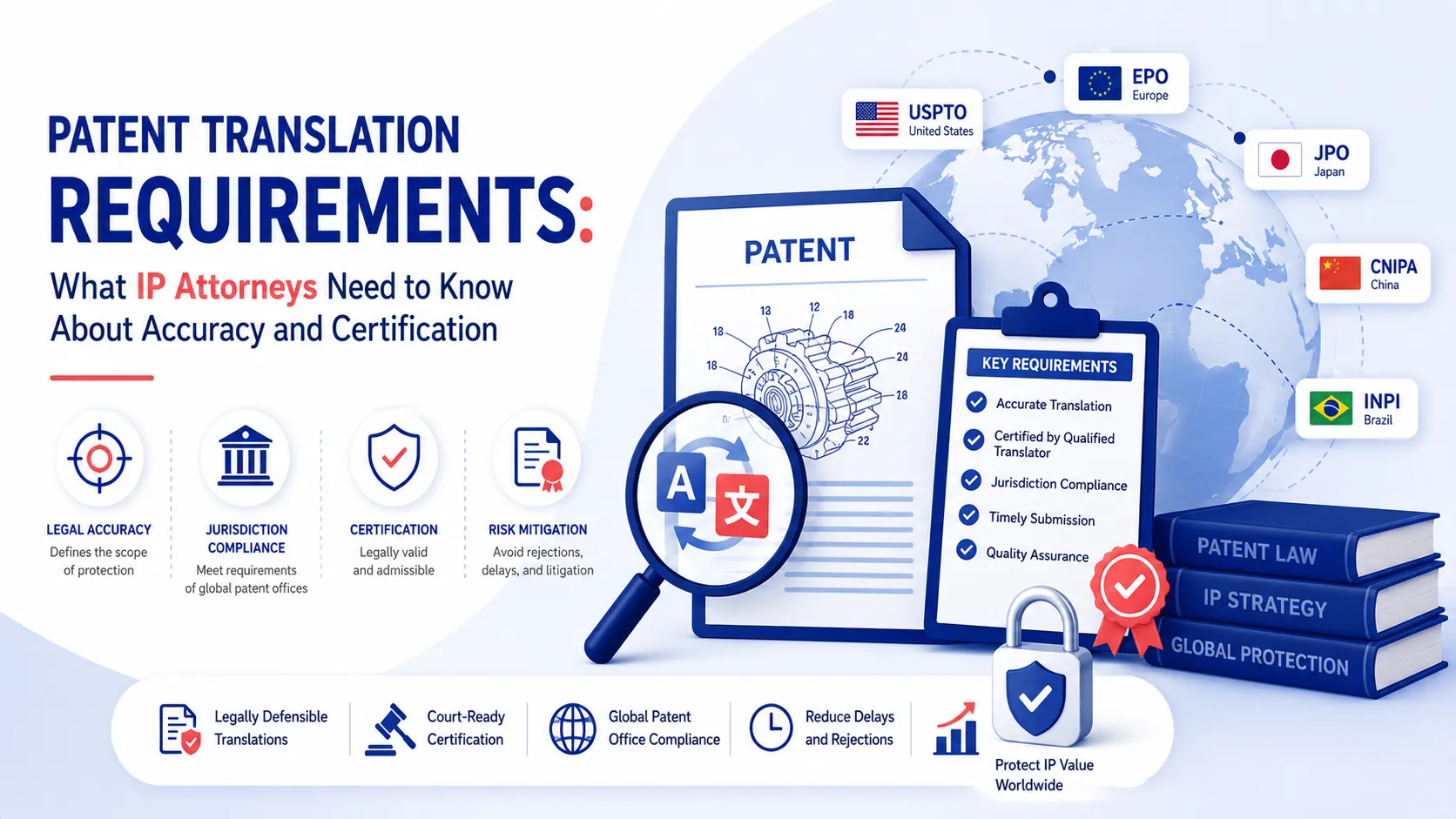
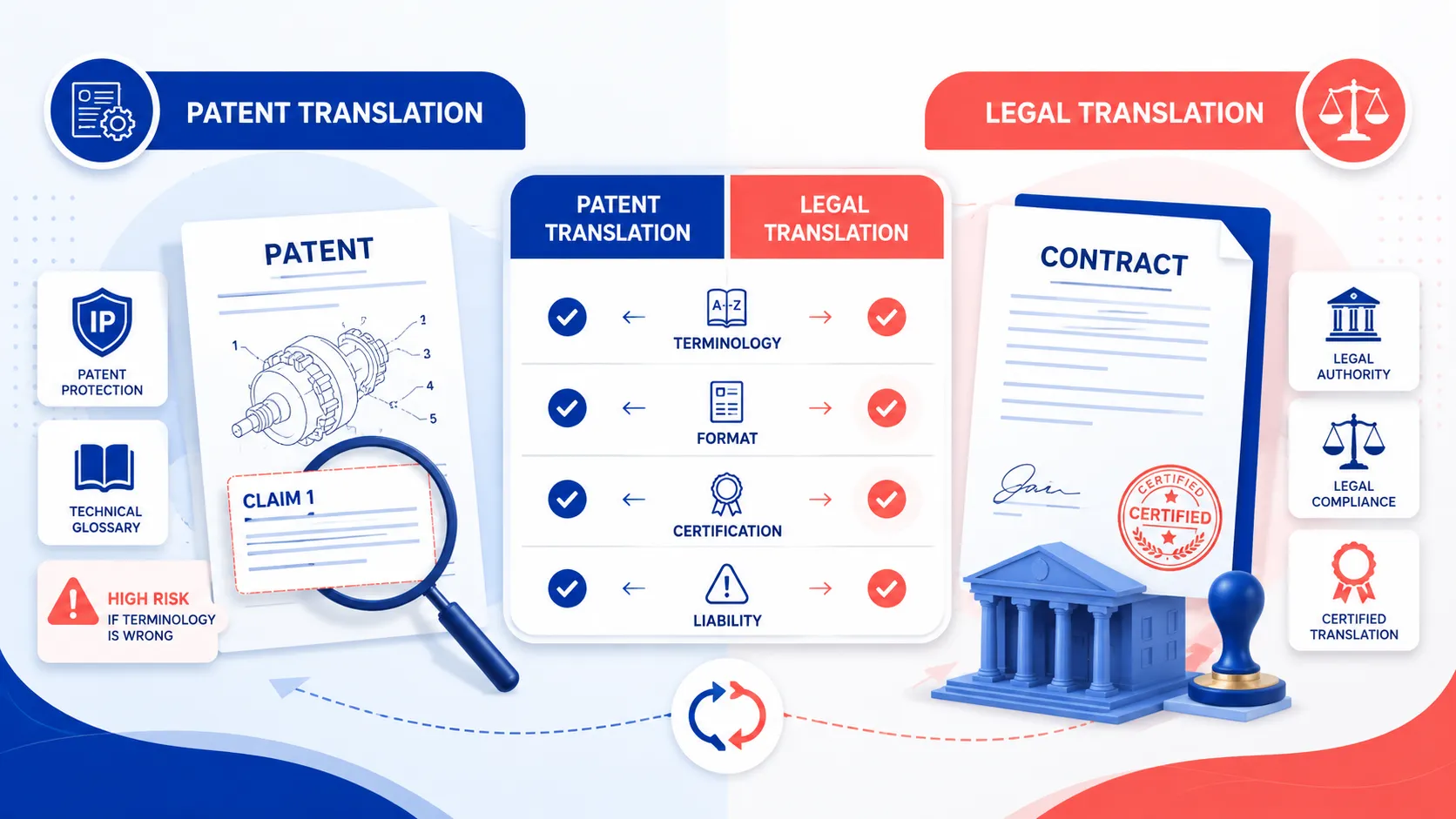
Legal documents are legally binding instruments. A mistranslated clause in a contract, a patent application with a terminology error, or a regulatory filing with an ambiguous obligation creates enforceability risk that may only become apparent during a dispute or an audit.
Legal translation rates typically start at around 0.10 dollars per word for standard documents and exceed 0.40 per word for complex litigation or intellectual property materials. A standard ten-page contract might cost between 150 and 400 dollars, while a patent application can range from 200 to 600 dollars depending on language pair and technical complexity.
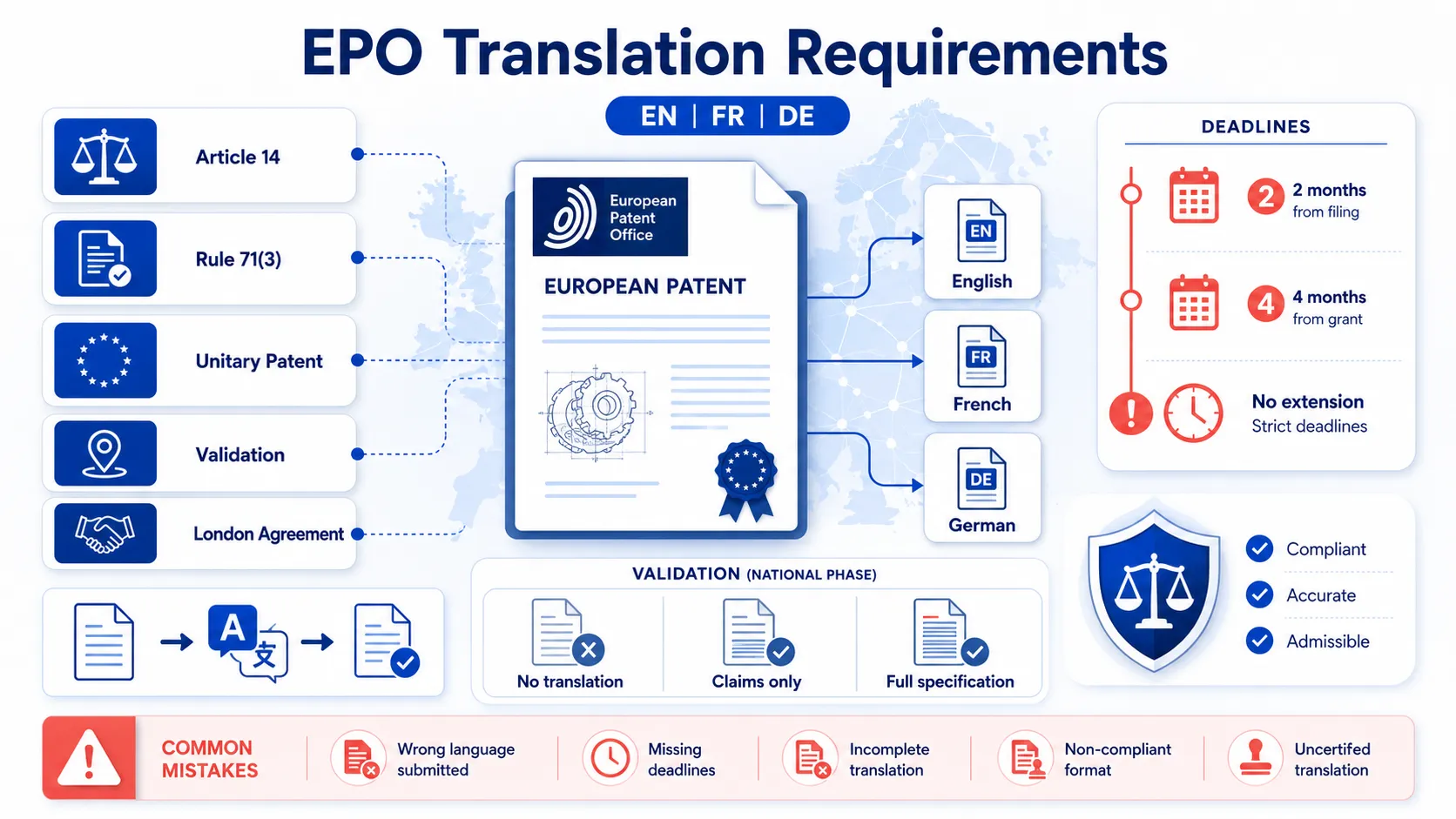
For businesses working with patent documentation across multiple jurisdictions, Circle Translations provides dedicated patent translation services covering patent publications, applications, IP translations, written complaints, and certificates, with linguists who hold verified intellectual property expertise in the relevant subject areas.
How Translation Memory Reduces Costs Over Time
Translation Memory (TM) is one of the most practically significant tools in professional translation, and it directly affects the total cost of an ongoing content relationship.
A TM stores every previously translated and approved segment. When matching or similar content appears in a new project, the system presents the stored translation for review, reducing the volume of new work required. The financial impact is real: TM leverage can reduce long-term translation costs by 30 to 40 percent for clients with recurring or structured content such as product documentation, legal templates, software interfaces, or financial reports.
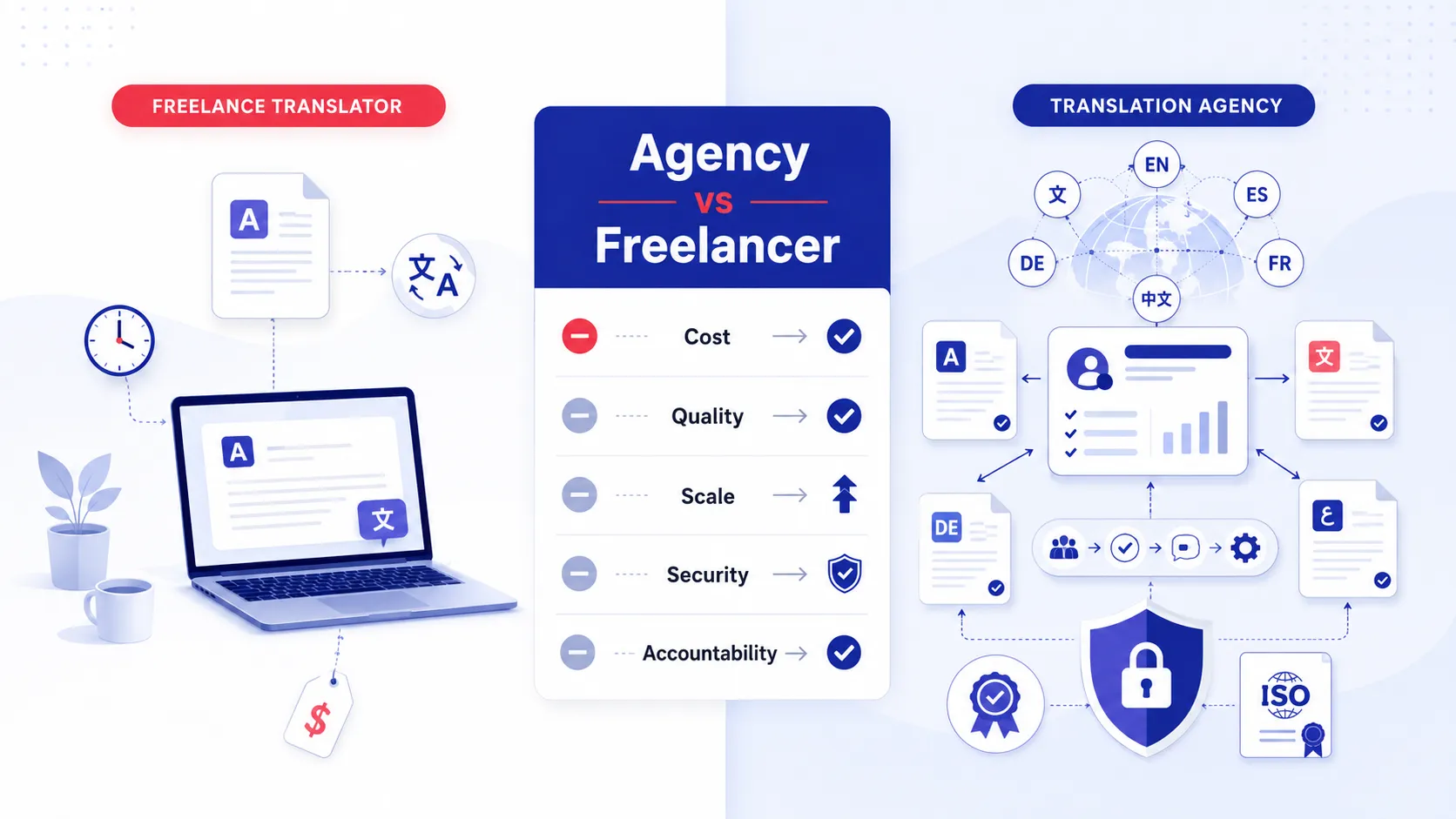
Agencies that maintain client-specific TM assets as part of the account relationship deliver this benefit automatically. With freelancers or agencies that do not carry TM assets between projects, each new project starts from scratch regardless of how much previous work has been approved. For organisations committed to a long-term language strategy, the TM investment is one of the strongest arguments for maintaining continuity with a single professional agency partner.
MTPE: The Middle Tier Between Machine and Full Human Translation
Machine Translation Post-Editing (MTPE) has become a recognised middle tier in professional translation workflows. An AI engine produces the first draft and a qualified human linguist reviews, corrects, and refines the output to publication standard.
MTPE rates in 2026 typically range from 0.05 to 0.15 dollars per word, making it a cost-effective option for high-volume content where the stakes of a terminology error are manageable. Appropriate use cases include internal communications, e-commerce product descriptions, FAQ content, and bulk informational materials.
MTPE is not appropriate for high-stakes medical content, legal contracts, patent applications, or regulatory submissions. In those contexts, a critical error in a machine-generated draft that a human editor misses during post-editing carries consequences that far exceed any cost saving. The right approach for high-risk content remains full human translation with an independent review process.
Hidden Fees to Ask About Before You Sign
Several line items commonly inflate translation invoices without appearing in the headline per-word rate.
Project management fees of 8 to 15 percent are standard at many agencies to cover coordinator time, deadline management, and final quality checks. Minimum project fees apply to small tasks at most agencies, typically ranging from 25 to 75 dollars regardless of actual word count. Engineering fees for processing non-editable file formats, DTP fees for reformatting translated documents, and In-Country Review fees for native speaker verification in the target market can all add materially to the total cost if not disclosed upfront.
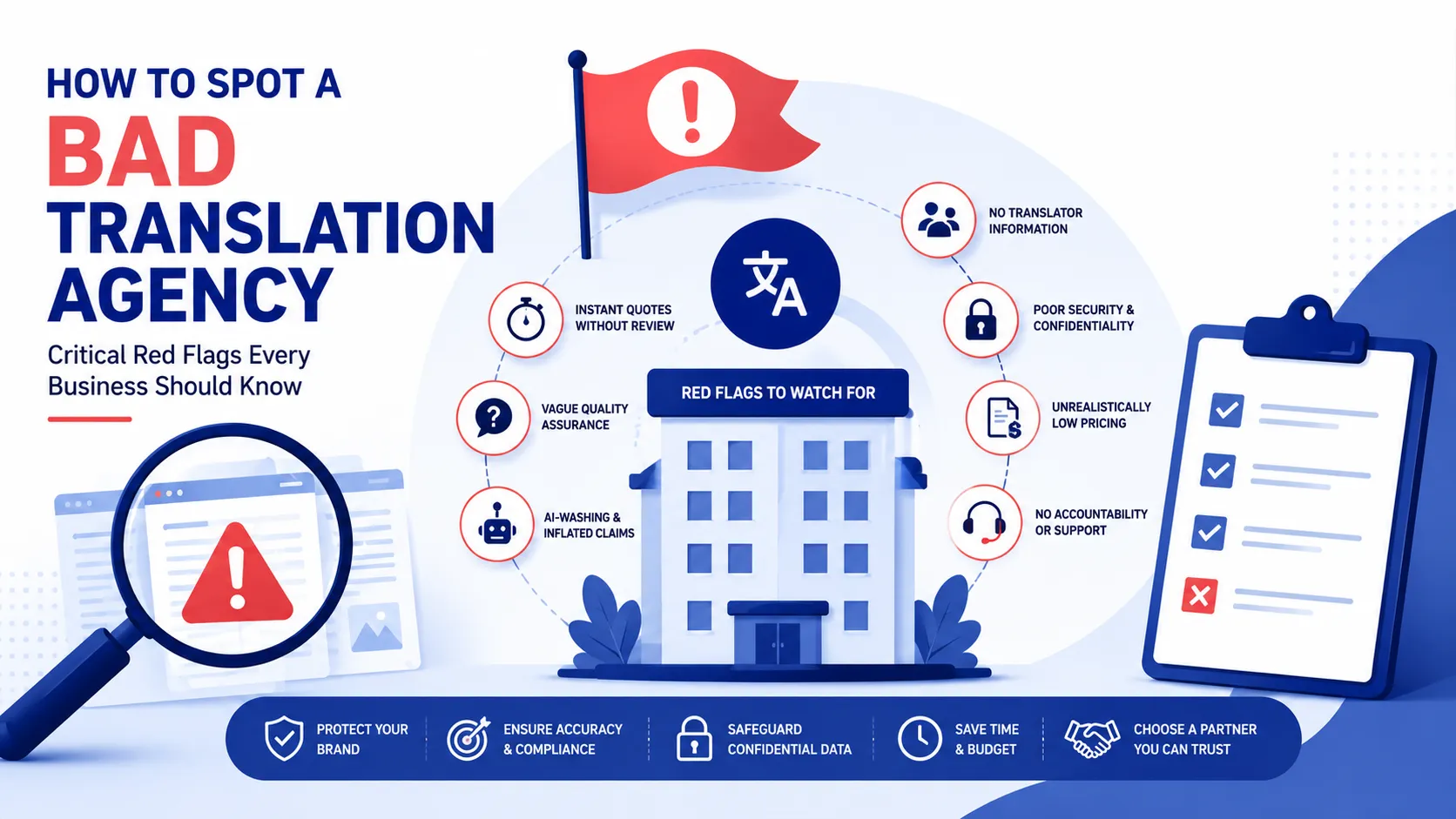
The most straightforward protection against budget surprises is requesting a complete fee schedule that reflects your actual content type, format, and delivery requirements before committing to a volume agreement. Agencies that are reluctant to provide this detail upfront are agencies that have not resolved how they plan to handle these line items for your account.
Conclusion
Translation agency cost in 2026 is shaped by a combination of language pair, content complexity, quality tier, file format, volume, urgency, and certification requirements. Understanding how these variables interact gives procurement and finance teams the framework to evaluate quotes accurately, identify the right service tier for each content type, and avoid the hidden fees that inflate invoices at less transparent agencies.
Circle Translations publishes a clear, tiered pricing structure starting from €0.05 per word, with every plan including a dedicated project manager, professional proofreading, native editing, and 24/7 support, and with no rush fees applied regardless of delivery timeline. For teams building a translation budget or comparing vendors before a global content project, that transparency is a practical starting point for an accurate cost model.
Frequently Asked Questions
1. How much does a translation agency charge per word in 2026?
Professional per-word rates vary significantly by quality tier, content type, and language pair. At the competitive end of the professional market, rates for machine-aided translation start from around €0.05 per word, while expert native translation for technical or scientific content reaches €0.10 to €0.16 per word. Medical and legal content typically attracts a premium of 30 to 100 percent over standard rates due to the specialist qualifications those fields require.
2. What is the difference between machine translation and professional human translation costs?
Machine translation providers charge approximately 10 to 20 dollars per million characters for raw AI output, which sounds far cheaper than human translation but does not include the post-editing work required to reach publication quality. MTPE (human post-editing of machine output) typically costs 0.05 to 0.15 dollars per word and suits high-volume, lower-stakes content. High-risk legal, medical, or regulatory content requires full human translation regardless of cost, because the consequences of undetected errors far exceed any pricing difference.
3. Why do legal and medical translations cost more than standard content?
Legal and medical content requires linguists with verified domain expertise, often including professional degrees or years of specialist practice, because terminology errors carry direct legal liability or patient safety consequences. Around 32 percent of medical translation projects require a secondary review by medical subject-matter experts in addition to the standard linguistic review, which adds further cost. For these content types, the premium is a function of the qualification level required, not just the word count.
4. Do translation agencies charge rush fees for urgent projects?
Rush surcharges of 25 to 100 percent for compressed or overnight delivery timelines are standard practice across most of the translation industry. However, not all agencies apply them, and the difference matters significantly for teams managing unpredictable or time-sensitive workflows. Circle Translations operates without rush fees as a standard policy, which makes total project cost more predictable across an entire content portfolio.
5. How does Translation Memory reduce translation costs over time?
Translation Memory stores every approved translated segment and applies it automatically to matching content in future projects, reducing the volume of new work required. For clients with recurring or structured content, TM leverage typically reduces long-term translation costs by 30 to 40 percent as the database grows. The benefit compounds over time, making a long-term relationship with a single agency more cost-efficient than sourcing individual projects separately.
6. What hidden fees should I ask about before committing to a translation agency?
Common additional charges include project management fees of 8 to 15 percent, minimum project fees for small tasks, engineering costs for non-editable file formats, DTP fees for reformatting translated documents, and In-Country Review fees for native speaker verification. The most straightforward protection is requesting a complete fee schedule based on your actual content type and format before agreeing to any volume commitment.
7. Is MTPE (machine translation post-editing) suitable for all content types?
MTPE is cost-effective and appropriate for high-volume, lower-stakes content such as internal communications, product listings, FAQ pages, and informational copy. It is not recommended for legal contracts, patent applications, pharmaceutical submissions, or any regulated content where a missed error carries legal, financial, or safety consequences. Selecting the right quality tier for the right content type is the most practical cost management decision in a translation budget.
8. How do language pair and rarity affect translation pricing?
Pricing follows supply and demand in the professional linguist market. Common language pairs such as English to Spanish or French are among the most affordable because the pool of qualified translators is large. Rare or low-resource language pairs including Norwegian, Finnish, Icelandic, Swahili, or Pashto can cost two to three times the base rate because the available specialist translators are significantly fewer. For budgeting purposes, it is worth confirming the rate for each specific language pair your project requires rather than applying a single average across all languages.