Did you know that over 70% of the global crypto community does not speak English as a first language?
If your whitepaper, staking dashboard, or exchange UI is only available in English, you aren’t just missing a few users, you are losing most of the world’s money. In this business, one small translation mistake can cause a million-dollar disaster.
Don’t trust your project to a basic translator; you need an expert.
For Web3 founders, DeFi teams, and exchange operators, or a lead developer for a DeFi protocol, you already know that the blockchain space moves at a speed most traditional industries can’t comprehend. You are building decentralized futures, launching Layer 2 (L2) scaling solutions, and managing NFT marketplaces that operate 24/7 across every time zone. However, there is a major bottleneck that often stalls global adoption: the language barrier.
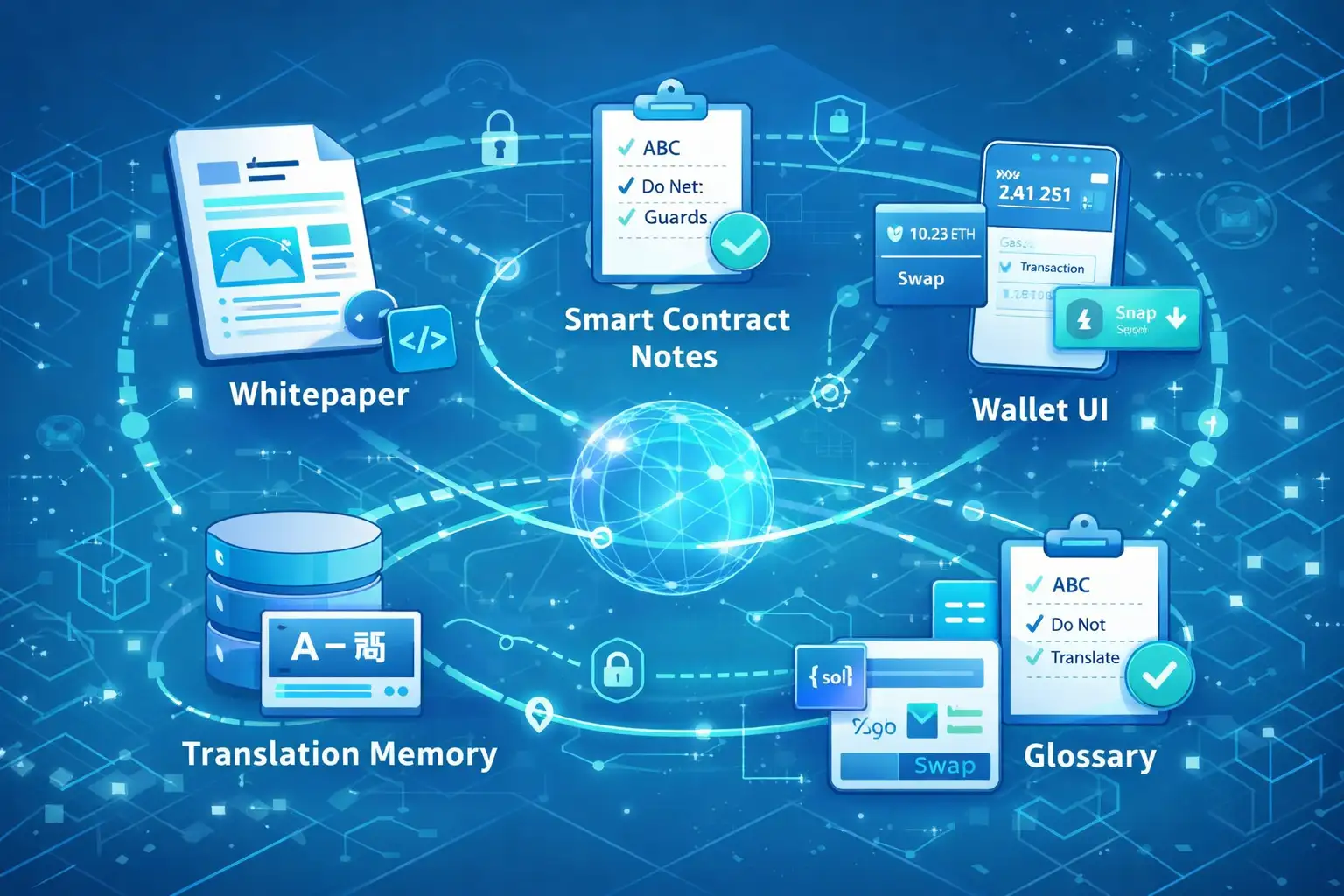
Our Blockchain translation services are not your typical document translation. We aren’t just swapping words; we are translating the technical “soul” of your project. Whether it is a complex whitepaper, tokenomics models, wallet UI strings, or smart contract documentation, the margin for error is zero.
In the world of crypto, a mistranslated term in a staking protocol or a confusing UI label in a non-custodial wallet doesn’t just look unprofessional, it can lead to financial loss, community FUD (Fear, Uncertainty, Doubt), and regulatory scrutiny.
This guide provides a deep dive into how specialized translation for crypto and Web3 brands works, why accuracy and confidentiality are non-negotiable, and how to build a multilingual ecosystem that scales as fast as your TVL (Total Value Locked).
What Is Blockchain Translation, and Why It Matters for Web3?
Blockchain translation is the precise adaptation of technical, financial, and community-driven Web3 assets for global ecosystems. Unlike general translation, it requires linguists who live and breathe the industry, people who understand the difference between “slippage” and “spread,” or “minting” and “mining.”
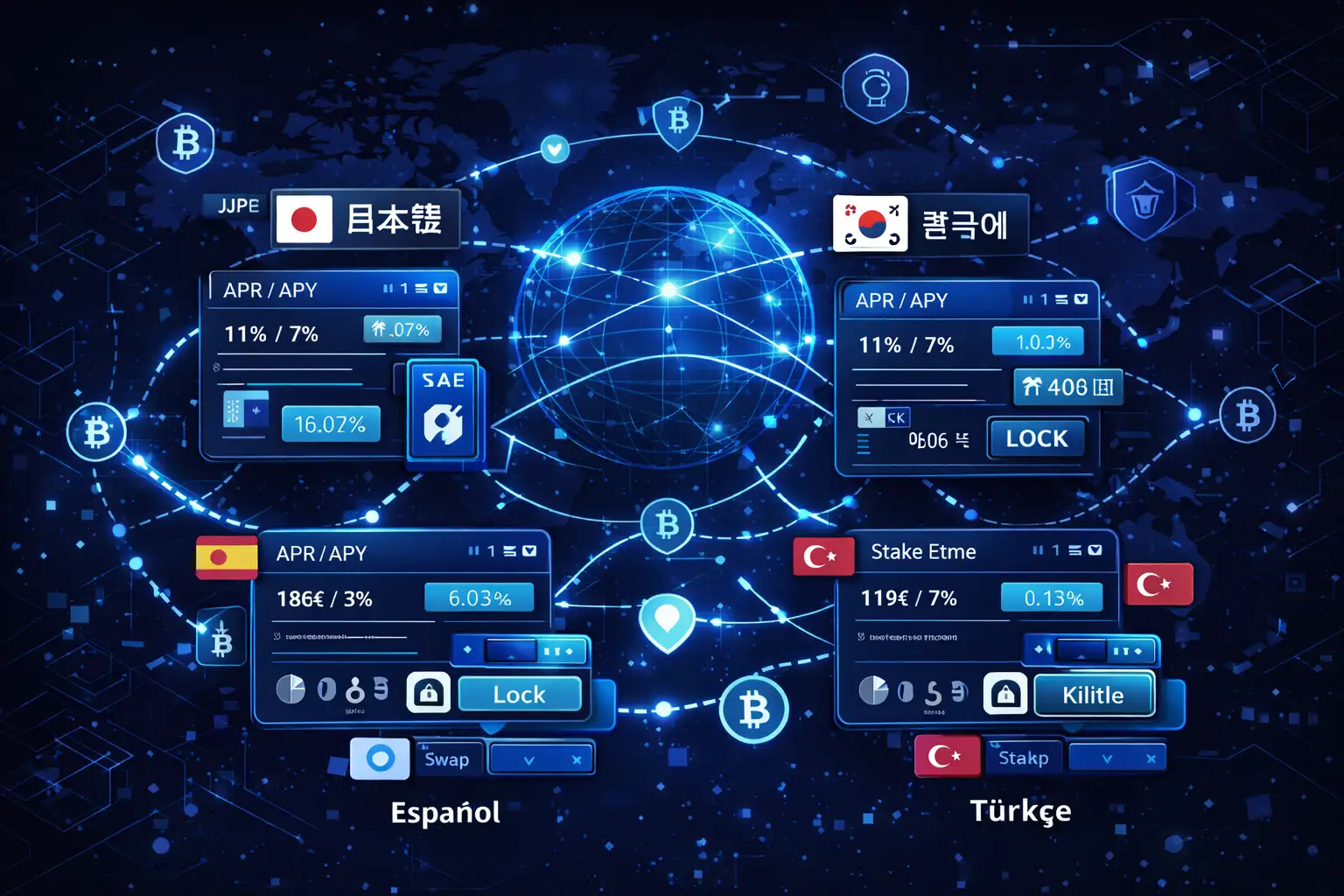
The crypto world has its own dialect. When you enter a new market like Japan, Korea, or Brazil, your growth depends on how well you can explain your protocol’s value. If your crypto translation services are handled by someone who doesn’t understand “gas optimization” or “rollups,” your documentation will read like a bad Google Translate job, instantly losing the trust of sophisticated degens and institutional investors alike.
The Power of Multilingual Community Expansion
In Web3, your community is what keeps your project strong. By translating your app and documents, you aren’t just changing words; you are inviting thousands of new people to use, stake, and support your project.
Data shows that projects with support in local languages, on apps like Discord, Telegram, and in their wallets, keep their users much longer. This is especially true in the biggest crypto markets: East Asia, Western Europe, and Latin America.
Where Do Blockchain Translations Go Wrong?
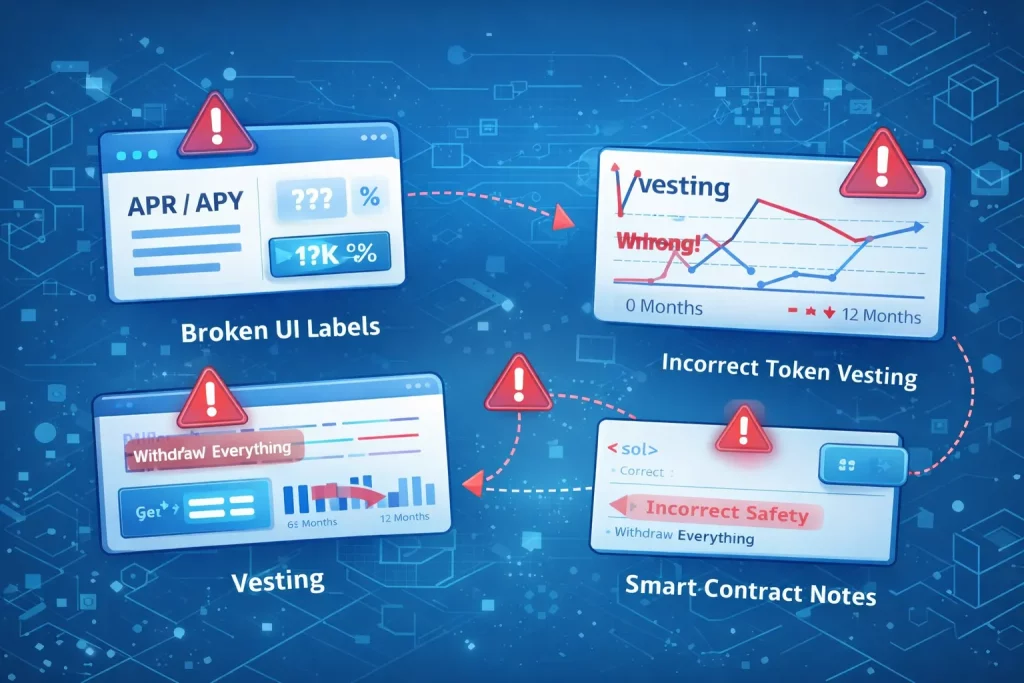
In a high-stakes environment where “code is law,” a single mistranslation can cause a chain of big problems. Basic translators often make mistakes in these important areas:
1. Smart Contract Guides and Notes
We do not change the actual computer code (like Solidity or Rust), but the notes that explain the code are very important. If a developer in another country reads a note wrong, like a note about “lock periods” or “safety guards” they might build the project the wrong way. This can lead to huge bugs that break the system.
2. Token Rules and Pay-out Schedules
Being clear about money is the most important thing. If you translate words like “cliff period” or “linear vesting” incorrectly, early investors might get angry and sue you. If the section about your tokens is hard to understand, people will think your project is a scam, even if your math is correct.
3. Legal Rules and ID Checks
Web3 laws change all the time. Your rules for checking user IDs and stopping illegal money must be written perfectly in every language. If the translation is “unclear,” you could get in big trouble with the government in places like Europe or Japan.
4. App Buttons and Money Math
On a finance dashboard, users must know exactly what “APY” and “APR” mean in their own language. If a button that says “Get Rewards” is wrongly translated to say “Take Out All Money,” it will scare people. This also makes your support team much busier. This is why using the right words in your app is a must for any project.
What Types of Web3 Content Require Expert Translation?
A complete Web3 brand ecosystem consists of multiple layers of content, each requiring a different level of technical mastery:
- Whitepapers & Litepapers: These are the foundations of your project. They require a blend of technical writing and persuasive marketing.
- Smart Contract Docs: Written for developers. High precision is required for function descriptions and variable comments.
- Wallet & dApp UI Strings: Microcopy for mobile and web interfaces. Requires UI localization best practices to handle text expansion in small buttons.
- DAO Governance Docs: Ensuring that every community member understands how to vote and propose changes, regardless of their native tongue.
- Blockchain Academy/Education: Attracting new users through “Learn to Earn” modules and help centers.
- Pitch Decks: For attracting global VCs and launchpad partners.
- Exchange Listing Packs: Standardized documentation for CEX (Centralized Exchange) listings.
Key Terminology Categories in Blockchain Translation
To keep your message from changing as it moves into different languages, we create and keep a main list of specific words. This makes sure that a “validator” is always called a “validator” and never a “checker.” This way, your brand always means the same thing everywhere.
The Crypto Terminology Matrix
| Category | Keep in English (Usually) | Translate (Usually) |
| Infrastructure | RPC, Node, Hash, Mainnet | Validator, Consensus, Block Height |
| DeFi & Liquidity | AMM, TVL, Impermanent Loss | Staking, Yield, Liquidity Pool |
| Smart Contracts | Gas, Mint, Burn | Lock period, Vesting, Governance |
| NFT / Gaming | PFP, Metadata, Floor Price | Rarity, Marketplace, Traits |
| Compliance | KYC, AML, CTF | Terms of Use, Privacy Policy, Risk Warning |
Our Blockchain Translation Workflow
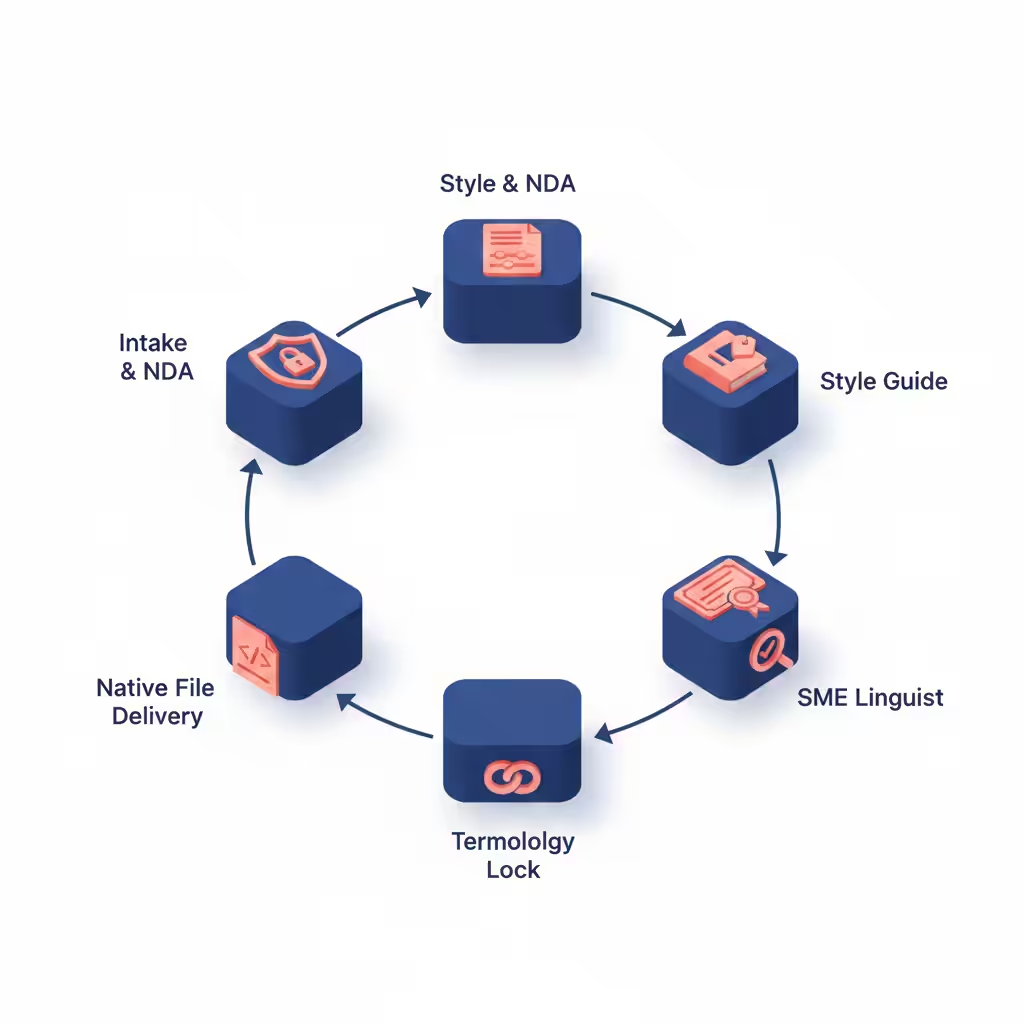
We don’t just “run your file through a tool.” We follow a rigorous 6-step process designed for the security and accuracy that Web3 demands.
- Intake & NDA-First Onboarding: We never look at your files until a non-disclosure agreement is signed. Security is our first step.
- Style Guide Development: We define your brand voice. Are you “Punk/Degen” or “Corporate/Institutional”?
- Terminology Lock: We finalize your glossary of Web3 terms to ensure consistency.
- SME Linguist Translation: Your project is assigned to linguists who are active in the crypto space.
- Bilingual QA & Revision: A second specialist checks the translation against the source to ensure zero meaning shift.
- Delivery in Native Format: Whether it’s Markdown for GitHub or JSON for your dApp, we deliver files ready for deployment.
Why We Use Human-First + AI-Assisted Models (Not AI-Only)
You might want to use ChatGPT to translate your crypto project. But do not do this. Because, while AI is fast and good at finding common words, it often “makes things up” when it talks about specific technical rules or new money models.
We use a mix of both: AI tools help us organize your files and keep your costs low, but a human expert checks and fixes every technical sentence. For high-risk parts like legal rules and token math, we use only humans. This makes sure everything is 100% correct and protects you from legal trouble.
Security, Confidentiality & Compliance
Blockchain brands are often targeted by hackers. Your private documents or your user’s personal data are very sensitive. We keep them safe with these steps:
- Secure File Sharing: We never send files through email. We use private, locked websites that only specific people can enter.
- Safe Storage: All your project files and word lists are kept in “vaults” that use heavy security.
- Privacy Rules: We follow strict global laws (like GDPR) to handle user data and ID checks safely.
- Hiding Secrets: If you have a big secret, we can work on files where the most sensitive parts are blacked out. This protects your ideas before you are ready to show the world.
Understanding the hidden costs of in-house translation often leads Web3 teams to outsource to a secure agency like ours, where the security infrastructure is already in place.
Supported Systems, Languages & Formats
We meet your developers where they work. You don’t need to copy-paste text into Word docs for us. We support:
- Developer Formats: Markdown (.md), JSON, YAML, .strings, .xml, PO/MO.
- Design & Pitch: Figma, InDesign, Canva, Google Slides.
- Documentation: GitBook, Notion, Google Docs.
- Smart Contracts: We can translate the comments within .sol or .rs files directly, ensuring the code logic remains untouched.
Market Expansion: Target Languages for Web3
If you are looking for the highest ROI for your expansion, these are the priority markets for Web3:
- EN ↔ JP (Japanese): Vital for gaming and NFT markets.
- EN ↔ KR (Korean): A massive hub for retail trading and exchanges.
- EN ↔ CN (Simplified/Traditional Chinese): Essential for mining, hardware, and infrastructure.
- EN ↔ DE/FR/ES (European): Necessary for MiCA compliance and institutional trust.
- EN ↔ PT-BR (Brazilian Portuguese): The fastest-growing DeFi market in South America.
We Translate for These Crypto Sectors
- Wallets & Custody: Localizing seed phrase warnings and transaction signing flows.
- DeFi Applications: Translating yield farm interfaces, DEX (Decentralized Exchange) dashboards, and borrowing/lending protocols.
- NFT Marketplaces: Adapting trait descriptions, artist bios, and royalty terms.
- DAO Ecosystems: Managing governance proposals and community manifestos.
- Infrastructure & L1/L2s: Translating bridge documentation, explorer UI, and node validator guides.
Why Choose Our Blockchain Translation Services?
In an industry built on “Don’t Trust, Verify,” we provide the transparency you need.
- Speed + Precision: We understand that a “token listing” or a “mainnet launch” can’t wait. We offer accelerated timelines for critical releases.
- Terminology Control: Our use of TMs and glossaries means you never pay to translate the same phrase twice. This is how we keep your website translation cost manageable as you scale to 10+ languages.
- Data Protection: We are an NDA-first agency. Your pre-launch secrets are safe with us.
- Web3 Native Linguists: Our translators are active participants in the ecosystem. They know what a “rug pull” is, so they know how to help you avoid looking like one.
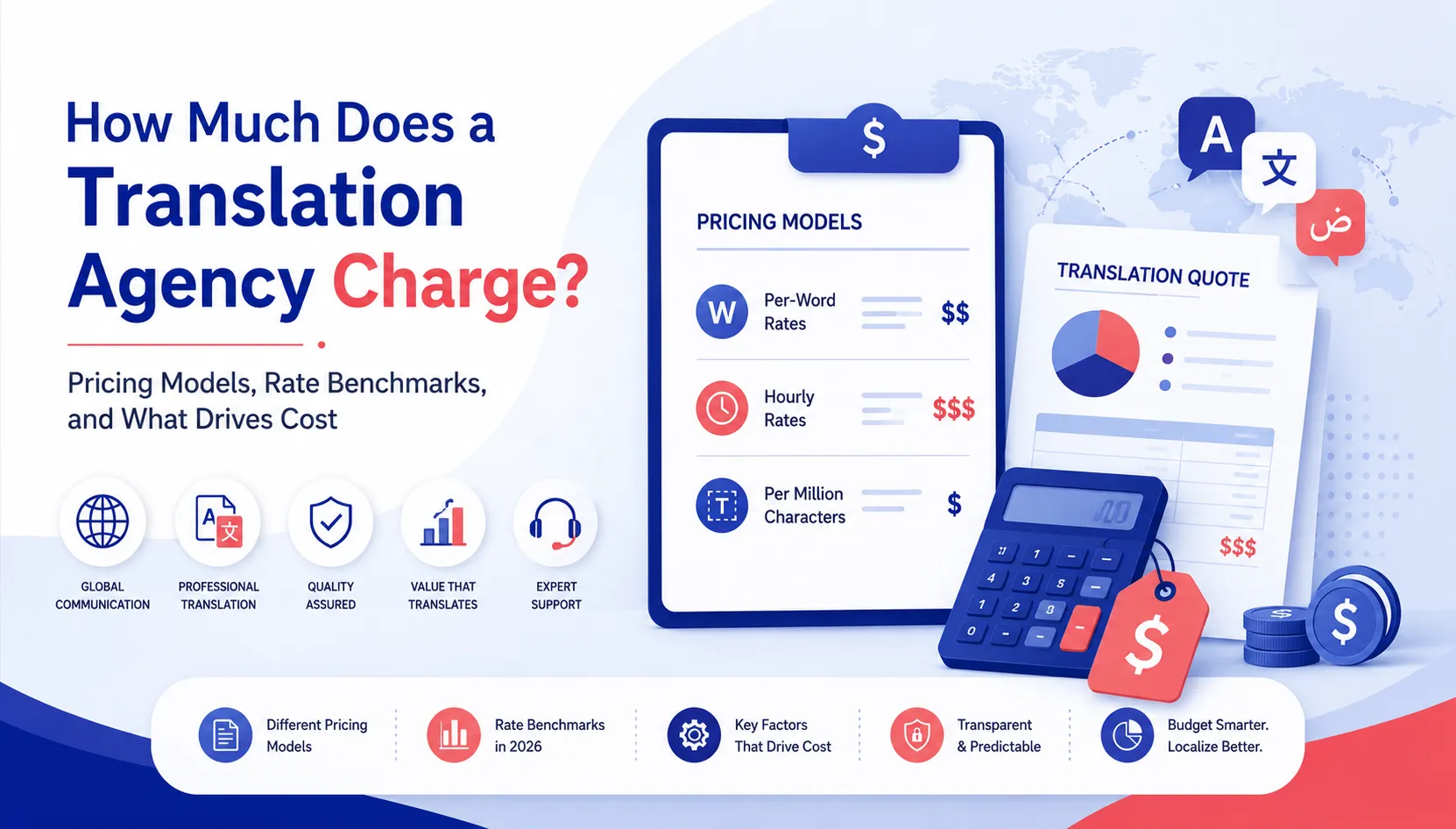
Pricing Models for Blockchain Translation
We offer flexible models to fit your project stage:
- Per-Word: Best for whitepapers, academy articles, and documentation.
- Per-Hour: Ideal for engineering reviews, smart contract comment audits, and UI testing.
- Per-Project: For multi-asset onboarding (e.g., localizing an entire exchange interface + support center + mobile app).
Deliverables & Handoff Options
We don’t just send you a translated document and disappear. Our handoff process is designed to make integration as easy as possible for your developers and marketing teams. When a project is complete, you receive:
- Final Localized Files: Your content delivered in its original format (JSON, Markdown, InDesign, etc.), ready for immediate upload or deployment.
- Bilingual QA Log: A detailed report showing the changes made during the review and proofreading stages, ensuring transparency.
- Terminology Sheet (Termbase): An updated list of your brand-specific terms in all target languages for your future reference.
- Format-Matched UI Strings: UI text specifically checked for text expansion to ensure your buttons and menus don’t break.
- Optional Review Support: We provide unlimited revisions and can assist your local community managers during the final implementation phase to ensure perfect “cultural fit.”
Growing Your Web3 Project Globally
In the crypto world, your whitepaper and your website are how you show your value. If they are only in English, you are missing out on more than 70% of the market. Blockchain translation is not just about changing words; it is about building trust with people everywhere.
By using expert blockchain translation services, you protect your project from technical mistakes, legal trouble, and community confusion. It ensures that a user in Tokyo or Buenos Aires feels just as safe using your smart contracts as someone in Silicon Valley.
Ready to take your protocol global?
Work with a team that speaks the language of Web3.
Request a Blockchain Translation Audit: Upload your project files (securely) for a terminology and localization readiness review. Let’s help you scale your dApp to the world.
Blockchain Translation — FAQs
What makes blockchain translation different from normal translation?
It mixes finance, tech, and crypto culture. A regular translator might take words literally, while our experts understand the actual crypto logic and “vibe.”
Do you translate smart contracts?
We don’t change the code. We translate the notes and guides so developers everywhere can use your tech without making mistakes.
Can AI handle blockchain translation alone?
No. AI often misses the context (like “Gas” fees) and cannot be held responsible for legal or financial errors.
How fast is delivery for typical Web3 documents?
Most papers take 2 to 3 days. App buttons are faster, but legal documents take longer for expert review.
Which languages matter most for Web3 adoption?
Currently, Chinese (CN), Japanese (JP), and Korean (KR) are the highest priority for retail and institutional growth. Spanish (ES) and Brazilian Portuguese (PT-BR) are essential for reaching the rapidly growing user bases in Latin America.
Do you sign NDAs before onboarding?
Yes. We sign first. Your files stay off public servers and are sent through secure channels.
Can you support multi-market Web3 launches?
Yes. We can launch your site, app, and social media in 10+ languages at once so your brand stays consistent globally.