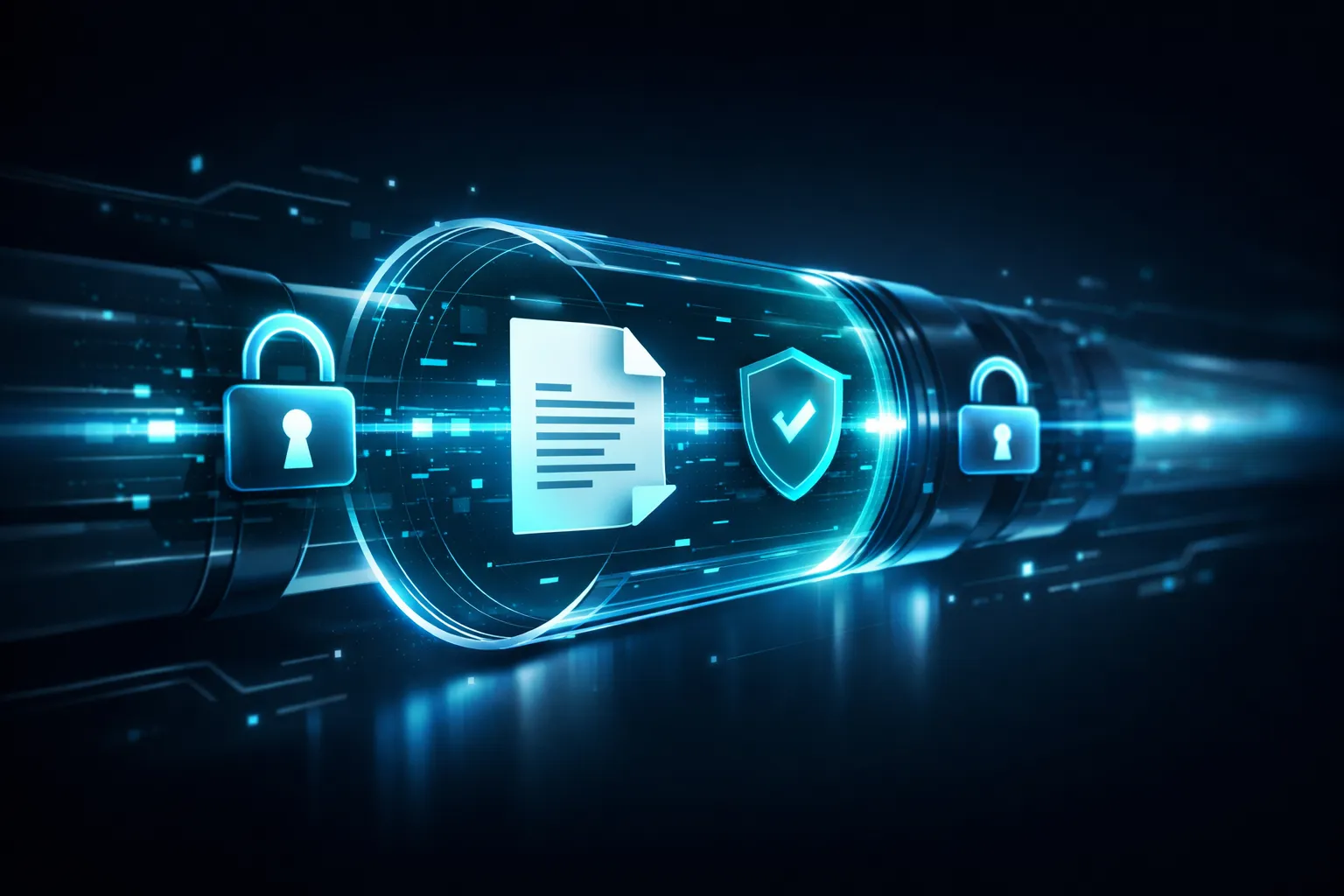
When you send a document out for translation, you aren’t just sending words. You are sending data.
For legal teams, IT directors, and procurement managers, the translation process can be a weak spot. You have spent a lot of time and money securing your internal networks, vetting your employees, and locking down your servers. But the moment a sensitive file is attached to an email and sent to an external translation provider, those internal protections can vanish.
Security and compliance in document translation are about maintaining enterprise-grade control over your information, even when it leaves your building. It is not enough to simply translate the text accurately. The process must handle sensitive legal, financial, HR, and technical documentation with the same security you apply internally.
That means strict privacy, controlled access, and following compliance rules. You need to know exactly who is opening your files.
Industries like legal, government, finance, healthcare, and intellectual property (IP) management cannot afford a “send and hope” approach. The risks of data breaches, lost privilege, and regulatory fines are simply too high.
This guide explains exactly how secure translation works, why standard methods often fail, and what you need to look for to ensure your data stays safe.
Why does security matter in document translation?
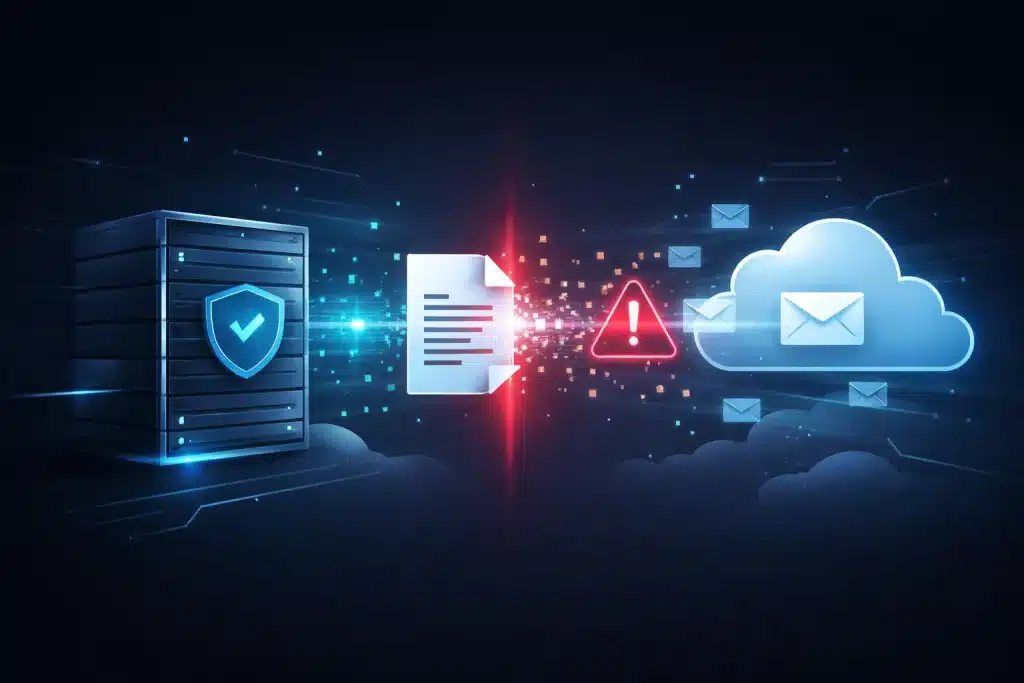
Most businesses underestimate the risk involved in translation. They view it as a linguistic task rather than a data handling task. However, translating a sensitive document actually multiplies the risk profile of that document.
Think about the standard journey of a file. When you translate a contract or a patent, that file travels. It moves from your server to a vendor. It is often copied to a project manager’s computer. It is then sent to a translator, and perhaps an editor and a proofreader.
Suddenly, a document that was secure on your internal drive now exists in four or five different locations, potentially across different borders.
This multiplication of “touchpoints” creates weak points.
If a competitor finds a leaked file, the damage can be huge. A leak can kill a business deal, ruin a court case, or expose an invention before you can patent it.
Then there are the fines. If a translator mishandles personal data, you could get hit with penalties under GDPR or HIPAA. It hurts your bank account and your reputation.
Here are a few examples of where this goes wrong in the real world:
- Legal Cases: A law firm sends evidence to a translator via standard email. If the email is hacked or the translator uses a public computer, you lose your legal privilege.
- HR Records: Employee contracts containing home addresses and salary details are translated for a global office but stored on an insecure cloud server, leading to a privacy breach.
- M&A Files: If confidential merger files leak, stock prices can fluctuate wildly before the deal is even official.
- Patent Drafts: If you paste a new invention into a free translation tool, you are making it public. This can instantly invalidate your patent claim.
What types of documents require the highest security?
Not every document needs Fort Knox-level security. A marketing brochure or a blog post might not carry the same risk as a court filing. However, for most enterprises, the list of high-risk documents is longer than they realize.
If a document contains personal data, financial figures, or trade secrets, it requires a secure workflow.
- Legal Contracts: Employment agreements, non-disclosure agreements (NDAs), and vendor contracts.
- Litigation Papers: Court transcripts, witness statements, and evidence bundles.
- Patent Drafts: highly sensitive technical descriptions that must remain secret until filing.
- HR and Personnel Records: Disciplinary records, medical leave forms, and payroll data.
- Medical Documents: Patient records, clinical trial data, and pharmaceutical reporting.
- Financial Statements: Earnings reports (pre-release), tax filings, and audit reports.
- Board Materials: Meeting minutes and strategic planning documents.
- Regulatory Submissions: FDA filings or compliance reports for government bodies.
- Internal Policy Documents: Cybersecurity protocols or internal strategy memos.
Where do security failures usually happen?
It rarely involves a hacker breaking into a system. Most security failures happen because of bad habits or simple mistakes.
Email is the biggest weak point. Sending files as attachments is risky. Emails can be forwarded, intercepted, or sit in a “Sent” folder forever.
Free translation tools are another huge risk. When you paste text into a free online tool, you often give it permission to save and use it. Your private contract suddenly becomes part of a public database.
Freelancer access matters too. If an agency just emails a file, the translator might download it to a shared family computer or work on open Wi-Fi at a coffee shop. That is not secure.
Finally, poor storage creates long-term risk. If a vendor keeps your files forever, that data just sits there waiting to be leaked, even years after the project is done.
Key compliance frameworks businesses must follow
To solve these problems, the translation industry has adopted specific standards. When you are looking for a vendor, you shouldn’t just ask “are you secure?” You should look for alignment with internationally recognized frameworks.
These frameworks prove that the vendor isn’t just saying they are safe, but they are audited on it.
ISO 17100 is the specific standard for translation services. It dictates how translators are selected and how the quality process works. While it is focused on quality, it ensures that the people handling your files are professionals, not random amateurs.
ISO 27001 is the gold standard for information security. This is the big one for IT teams. It covers everything from how servers are encrypted to how physical offices are locked. If a vendor has ISO 27001, it means they have a rigid system for managing information risk.
GDPR (General Data Protection Regulation) is essential for any business dealing with Europe. It dictates how personal data is processed.
SOC2 is common in the US, particularly for technology companies, focusing on security, availability, and confidentiality.
HIPAA applies if you are dealing with US healthcare data, ensuring patient information is protected.
PCI-DSS is required if any payment card information is involved, though this is less common in document translation itself and more relevant to the payment processing side.
How do ISO 17100 and ISO 27001 affect translation workflows?
It is helpful to understand the difference between these two, as they work better together.
ISO 17100 is about the process. It ensures the translator has the right degree, the right experience, and that the document goes through a revision step. This minimizes the risk of a translation error causing legal or safety issues.
ISO 27001 is about the data. It creates tight controls over who can log into the system. It mandates password policies, encryption standards, and disaster recovery plans.
When a vendor has both, you get a workflow where a qualified expert (ISO 17100) works within a locked-down digital environment (ISO 27001). This dual approach is what enterprises should demand.
What does GDPR mean for translation projects?
GDPR is strict about translation. It requires “Data Minimization,” meaning the translator only sees the data they absolutely need.
It also insists on “Purpose Limitation.” If you send a CV, the vendor cannot use that info for marketing or analytics.
Most importantly, there is the “Right to Erasure.” If you ask to have data deleted, your vendor must be able to wipe every copy, including from their backups.
If a vendor is compliant, they will sign a Data Processing Agreement (DPA). This is a legal contract promising to follow these rules.
Do legal privilege or confidentiality rules apply during translation?
This is a critical question for law firms. Attorney-client privilege protects communications between a lawyer and their client.
When a third party (like a translator) enters the picture, that privilege can be waived unless that third party is considered an “extension of the legal team.”
To keep this protection, the process must be secure. If a translator secretly passes the work to a friend, the legal privilege is broken.
That is why strict agreements are vital. The translator must follow the same secrecy rules as a paralegal or junior lawyer on your team.
Secure workflows: How enterprise-grade document translation should work
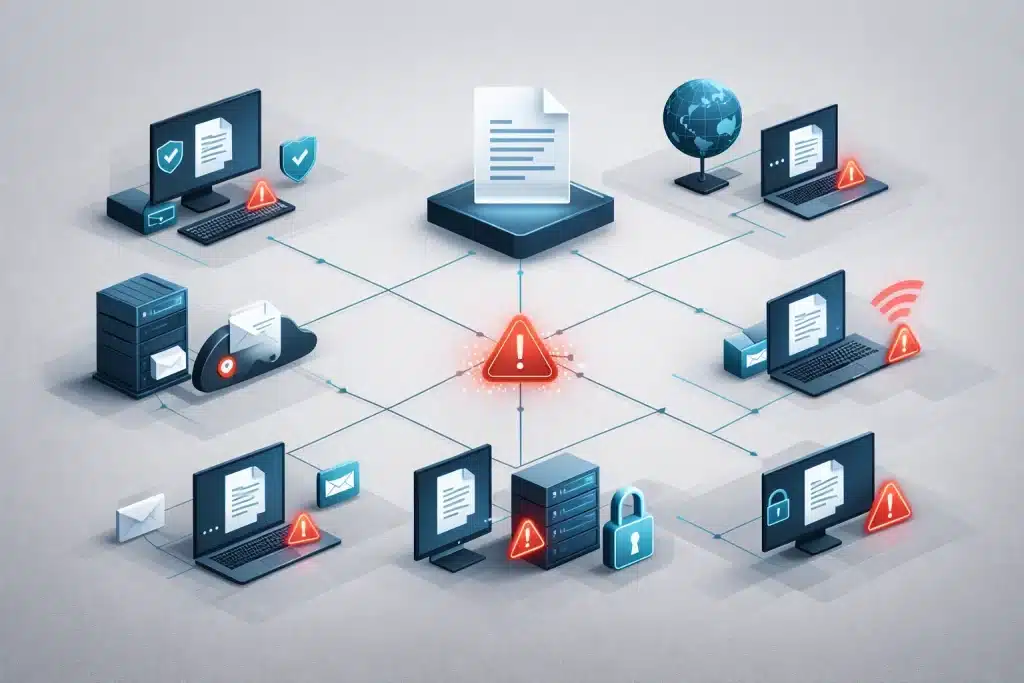
So, what does a secure process actually look like? If you were to track a document through a top-tier secure translation agency, the journey should look like this:
- NDA Implementation: Before any file is discussed, a Non-Disclosure Agreement is signed between the client and the agency.
- Secure Upload: The client uploads the file to an encrypted portal (HTTPS). No email attachments are used.
- Encrypted Storage: The file lands on a secure server. It is encrypted “at rest,” meaning even if someone stole the hard drive, they couldn’t read the file.
- Role-Based Access: The Project Manager assigns the file to a specific linguist. Only that specific linguist is granted access credentials.
- Vetted Linguists: The linguist has already been background-checked and has signed their own strict NDA.
- Monitored Editing: The linguist works within a secure online tool. They do not download the file to their personal desktop.
- Unified Platform: The editor and proofreader log into the same platform to review the work. The file never leaves this secure ecosystem.
- Audit Trails: Every time someone opens, views, or saves the file, the system logs the time and user.
- Timed Deletion: Once the project is delivered and the guarantee period ends, the system automatically purges the file to ensure long-term safety.
What technologies protect sensitive translation files?
Technology does the heavy lifting in modern security.
Encrypted Portals are the front line. These replace email. They use TLS (Transport Layer Security) to encrypt data while it travels across the internet.
Secure Translation Memories (TMs) are databases that store previously translated phrases. In a secure workflow, these TMs are partitioned. Your data is never mixed with another client’s data.
On-Premises or Private Cloud MT Engines allow for machine translation without the risk. Unlike public tools, these engines run inside the vendor’s secure wall. They process the text and immediately “forget” it.
MFA (Multi-Factor Authentication) is essential. It ensures that even if a translator’s password is stolen, a hacker cannot access your files without the second code.
Watermarking is another useful tool for highly sensitive documents. The system can overlay the user’s name on the document preview, discouraging anyone from taking screenshots.
Who has access to files, and how is access controlled?
In a secure agency, access is based on the principle of “Least Privilege.” This means a user is given the minimum level of access necessary to do their job.
The chain of access usually includes:
- The Project Manager (PM): Organizes the workflow.
- The Linguist (Translator): Translates the text.
- The Reviser: Checks the translation.
- The QA Lead: Performs final checks.
Crucially, access is temporary. Once the translator finishes their task, their access to the file is revoked. They cannot go back three months later and download the contract again.
Should businesses allow machine translation? (Safe vs unsafe MT)
There is a big difference between generic “Machine Translation” and “Public Machine Translation.”
Public engines (like free versions of Google Translate) are generally unsafe. They often use your data to train their own systems.
Controlled Machine Translation is different. It uses paid, private licenses. The data is encrypted and deleted immediately. The engine does not learn from your files.
The rule is simple: never use free tools for sensitive documents. But a private, secure engine is perfectly safe.
Compliance risk: What happens if translation security fails?
The consequences of a security failure in translation go far beyond a bad translation.
First, there are breach notifications. Under GDPR and other laws, if you lose customer data, you are legally required to tell them. Imagine having to email your entire client list to say their contracts were leaked by your translation vendor.
Litigation exposure is immediate. If a contract is leaked, the other party can sue for breach of confidentiality.
Regulatory penalties can be massive. Fines can reach into the millions of dollars, depending on the volume of records exposed.
Loss of IP rights is a silent killer. If a patent is disclosed publicly before filing, in many jurisdictions, you lose the right to patent it. That invention is now public domain.
Damaged contracts occur when sensitive negotiation points are leaked, giving the other side leverage or causing them to walk away from the deal.
What are the hidden costs of insecure translation?
Cheap translation often ends up being the most expensive. When you pay a low rate to a vendor with no security controls, you are absorbing the hidden costs of risk.
- Investigation Costs: Paying IT forensics teams to find out how a leak happened.
- Legal Fees: Defending against lawsuits or regulatory actions.
- Retranslation: Having to redo work because the integrity of the first batch couldn’t be verified.
- Delay Penalties: Missing court dates or product launches because of security hold-ups.
- Lost Deals: The value of the merger or contract that fell through because confidentiality was breached.
How do you verify if a translation vendor is compliant?
Don’t just take their word for it. When you are evaluating a partner, use a due diligence process.
Ask for their certifications. Do they actually hold the ISO certificates, or do they just “follow the principles of” them? There is a big difference.
Request their security documentation. They should be able to provide a security overview that details their encryption standards and backup procedures.
Check their MT Policy. Do they block their translators from using free MT tools? How do they enforce that?
Ask about Data Residency. Where do the servers live? If you are in the EU, you might require your data to stay within EU borders.
Finally, look at their deletion timelines. Do they promise to delete your data after a set period?
Why work with a secure & compliant translation partner?
Working with a secure partner moves the risk off your shoulders.
It speeds up approval. Instead of arguing about security for a month, a compliant vendor just shows their ISO proof and signs the deal.
It makes audits easy. You have a clear paper trail showing exactly how your data was handled.
It gives you peace of mind. You know the people reading your secrets have been vetted and signed legal agreements.
Most importantly, it keeps your business running. You avoid the nightmare of leaks, hacks, and lost files.
How we protect your sensitive documents
At Circle Translations, we have built our entire infrastructure around security. We don’t bolt it on as an afterthought; it is the foundation of our workflow.
- Secure Uploader: We use bank-grade encryption for all file transfers.
- NDA-First Workflow: Everyone who touches your file is bound by strict confidentiality agreements.
- Encrypted Environments: Our platforms are ISO 27001 aligned, ensuring data is locked down at every stage.
- Vetted Linguists: We don’t just hire anyone. Our translators go through rigorous testing and identity verification.
- Secure MT: We use only private, no-retention engines for technology-assisted steps.
- Data Deletion: We respect your right to privacy and have automated protocols for data removal.
What industries benefit most from secure translation workflows?
While security is good for everyone, it is non-negotiable for:
- Legal: Law firms and corporate legal departments.
- Finance: Banks, investment firms, and insurance companies.
- Government: Public sector agencies requiring high clearance.
- Healthcare: Hospitals, CROs, and pharmaceutical companies.
- Cybersecurity: Tech firms handling sensitive vulnerability reports.
- Manufacturing: Engineering firms protecting trade secrets.
- M&A: Teams handling mergers and acquisitions.
RFP Checklist for Secure & Compliant Document Translation
If you are preparing a Request for Proposal (RFP) for translation services, copy and paste this checklist to ensure you cover your bases.
▢ Does the vendor hold ISO 17100 and ISO 27001?
▢ Can they guarantee data remains in your required region (e.g., EU)?
▢ Do they use SSL/TLS for transfer and AES-256 for storage?
▢ Is access role-based and time-limited?
▢ Are all translators background-checked and under NDA?
▢ Do they prohibit the use of public/free MT tools?
▢ Do they have a clear process for deleting data after delivery?
▢ Do they carry professional indemnity and cyber liability insurance?
▢ Can they provide logs of who accessed files and when?
Need to translate sensitive documents without the risk?
Circle Translations provides enterprise-grade security for legal, financial, and technical documentation. Get a secure quote today and let us handle your data with the protection it deserves.
Frequently Asked Questions
What makes document translation “secure”?
It is about more than just getting the words right. Secure translation uses encryption, signed NDAs, and strict rules. It means working on a monitored platform, not just emailing files back and forth.
Is machine translation safe for sensitive documents?
It depends on the tool. Free public tools (like Google Translate) are risky because they often save your data. Private enterprise tools are safe because they encrypt your text and delete it immediately.
Why does ISO 17100 or ISO 27001 matter for translation security?
ISO 17100 makes sure the people translating are qualified pros. ISO 27001 makes sure the computer systems are secure. Together, they ensure the right people are working in a safe environment
How are translators vetted for secure projects?
Professional agencies don’t just hire anyone. They run background checks, check IDs, and require strict confidentiality agreements (NDAs). Translators only see your files once they are fully approved.
What happens if confidential files are mishandled during translation?
The risks are serious. You could face lawsuits, heavy fines (like GDPR), or lose your legal rights. If a secret gets out, you can’t get it back.
How do I check if my translation vendor is compliant?
Ask for proof. Ask to see their ISO certificates and security policies. Check how they handle data and if they ban free translation tools.
Does compliance increase translation cost?
Only a little. While secure systems cost money to run, the price difference is small. It is much cheaper than the cost of a data breach or a lawsuit.